About Flowering Quince
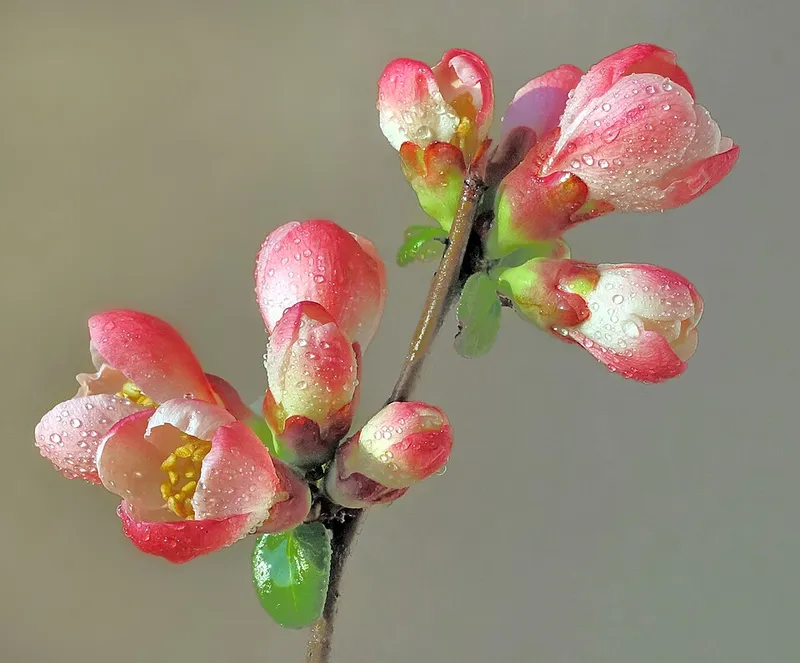
Flowering Quince (Chaenomeles speciosa)
Japanese Quince, Common Flowering Quince
Full to part sun, dry to moderately moist, tolerates clay and compaction; pH 5.5-7.0; drought tolerant once established.
6-10 feet tall and wide; blooms February-March before leaf emergence with red, orange, pink, or white flowers on thorny stems; yellow-green edible fruit ripens September-October; deciduous; spreads by suckers and layering.
Propagation: semi-hardwood cuttings in summer; hardwood cuttings in late fall.
Native region: Not native to Tennessee; ornamental introduction from China.
Flowering quince is one of the earliest-blooming woody shrubs in Middle Tennessee landscapes, often opening flowers in late February before forsythia. The thorny branching provides structural security as a barrier hedge and nesting cover for small birds. Fire blight (Erwinia amylovora) is the most significant disease risk, the bacterium spreads rapidly during bloom in wet, warm conditions and causes the characteristic shepherd's-crook dieback. Prune blighted wood at least 8 inches below visible discoloration and sterilize pruning tools between cuts. Lace bugs and aphids feed on foliage in summer but rarely threaten plant survival. Best pruning time is immediately after bloom to avoid removing next season's flower buds, which form on second-year wood.
Quick Facts
- Common Name
- Flowering Quince
- Scientific Name
- Chaenomeles speciosa
- Plant Type
- Shrub
- Region
- Middle Tennessee