About Elderberry
Elderberry (Sambucus canadensis)
American Elder, Common Elder
Full to part sun, moderately moist to wet; tolerates clay and periodically flooded soils; pH 5.5-6.5.
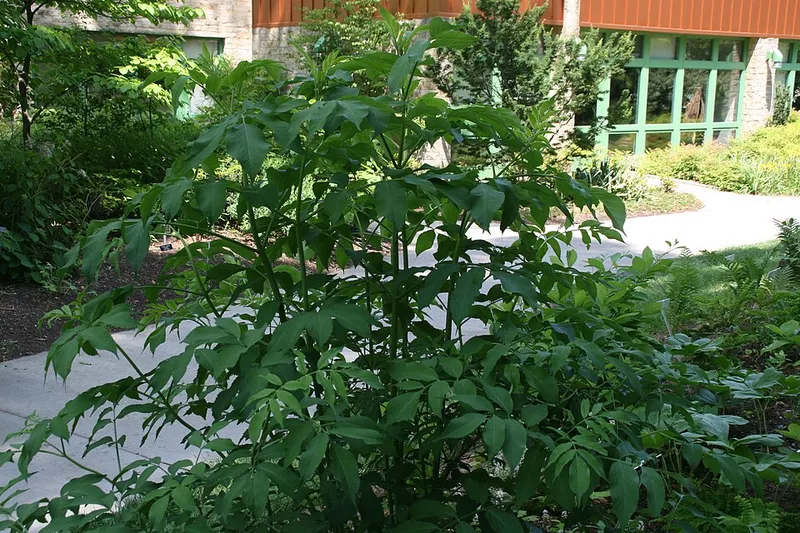
6-12 feet tall and wide, suckering thicket-forming; blooms June-July with flat-topped white cymes 4-10 inches across; dark purple-black fruit clusters ripen August-September; spreads aggressively by root suckers and self-seeding.
Propagation: hardwood cuttings taken in late winter root readily; suckers can be dug and transplanted in early spring.
Native region: Common statewide in Tennessee; especially abundant along stream banks, fence rows, and moist forest edges throughout Middle Tennessee.
Sambucus canadensis establishes quickly in low spots and wet margins where most shrubs struggle, making it useful for rain garden edges and drainage swales in the Columbia area. The compound leaves emerge early and the plant goes dormant by late fall, leaving bare canes that benefit from hard rejuvenation pruning every few years. Fruit is a major food source for cedar waxwings, thrushes, and mockingbirds in late summer; ripe berries are edible for humans but raw seeds and bark contain cyanogenic glycosides, do not consume unprocessed. Japanese beetles feed heavily on the foliage in July in Middle Tennessee; plants recover without intervention. Unpruned specimens can spread 10-15 feet laterally via suckers within three seasons.
Quick Facts
- Common Name
- Elderberry
- Scientific Name
- Sambucus canadensis
- Plant Type
- Shrub
- Region
- Middle Tennessee