About Bigleaf Hydrangea
Bigleaf Hydrangea (Hydrangea macrophylla)
Mophead Hydrangea, Lacecap Hydrangea, French Hydrangea
Part shade to filtered sun, afternoon shade is essential in Tennessee's Zone 7a heat; consistently moist, well-drained soils; pH directly controls flower color: acidic soils (pH 5.0-5.5) produce blue flowers via aluminum availability, alkaline soils (pH 6.5+) shift flowers to pink.
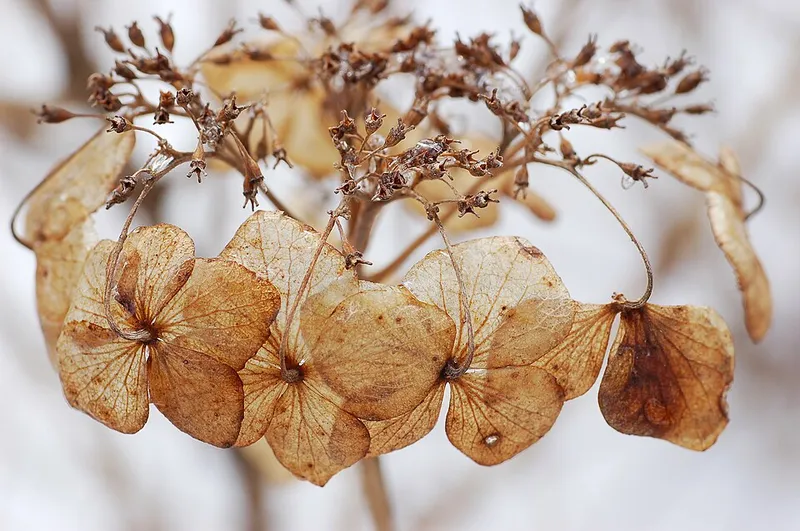
3-6 feet tall and wide; blooms June-August on previous year's wood (old wood); flower heads 6-10 inches across in mophead types, flat-topped in lacecap types; deciduous.
Propagation: softwood cuttings in early summer root readily; division of rooted stems in early spring.
Native region: Not native to Tennessee; ornamental introduction from Japan and China.
Bigleaf hydrangea is among the most popular landscape shrubs sold in Middle Tennessee, but consistent bloom is elusive due to a single, well-understood failure: the flower buds that form in August and September on current-year growth are killed by cold events before hardening, or by late spring freezes after emergence. The fix is selecting remontant (reblooming) cultivars such as 'Endless Summer' or 'Incrediball' series that set buds on both old and new wood, providing bloom insurance in Zone 7a. Prune only dead wood in early spring, removing live stems eliminates the flower buds. Blue color requires naturally acidic soil or soil acidification with aluminum sulfate; Tennessee's clay soils are often borderline. Powdery mildew is common in humid summers; improve air circulation with selective thinning rather than chemical treatment.
Quick Facts
- Common Name
- Bigleaf Hydrangea
- Scientific Name
- Hydrangea macrophylla
- Plant Type
- Shrub
- Region
- Middle Tennessee