About Arrowwood Viburnum
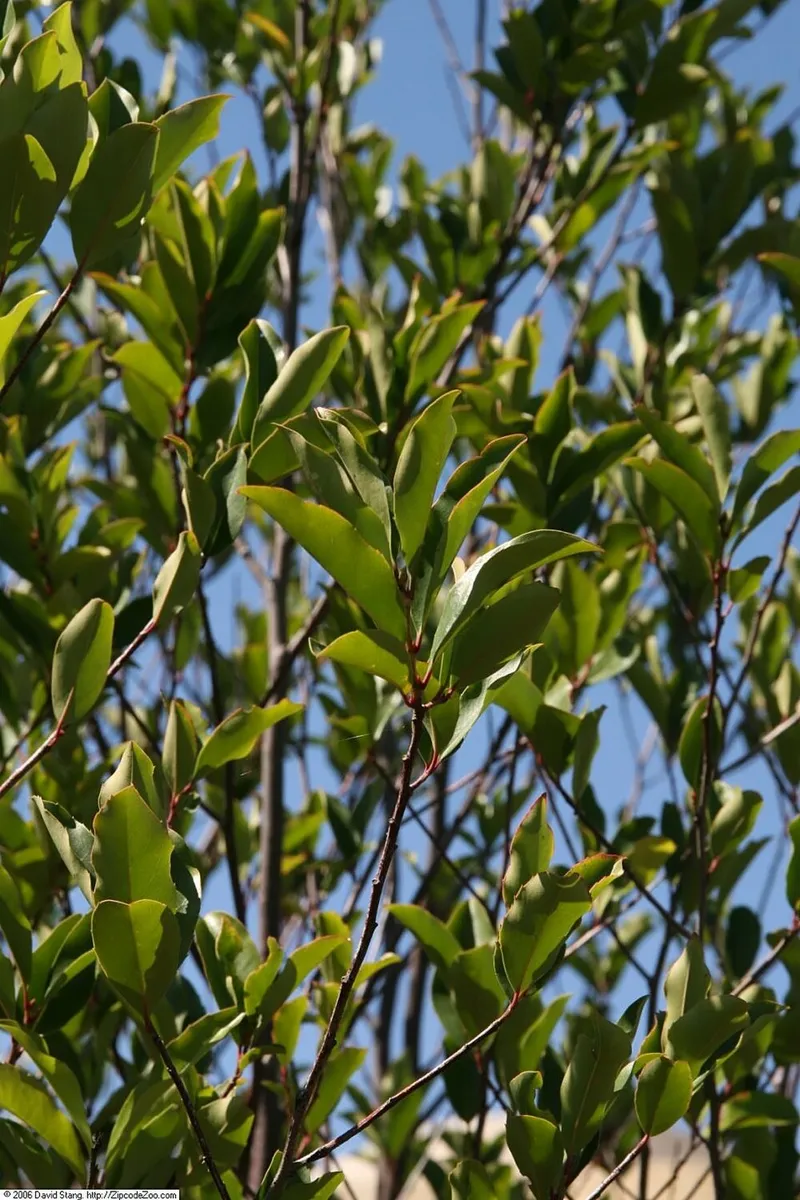
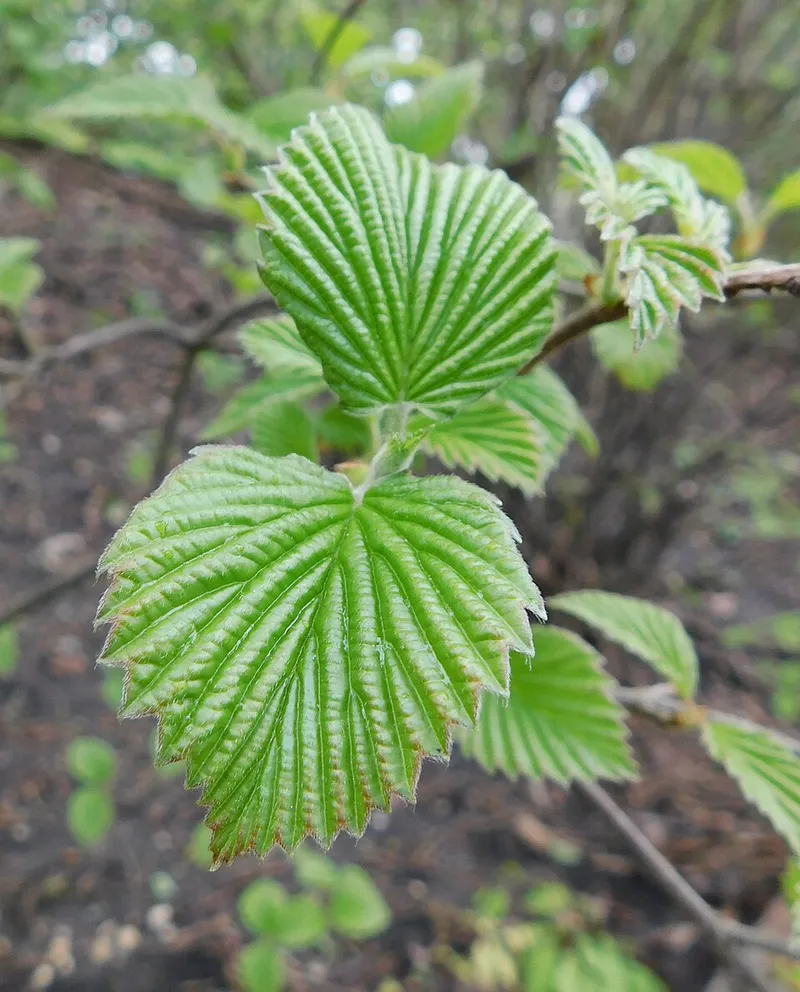
Arrowwood Viburnum (Viburnum dentatum)
Southern Arrowwood
Full sun to part shade, medium to moist, tolerates clay and periodic flooding; pH 5.5-7.0.
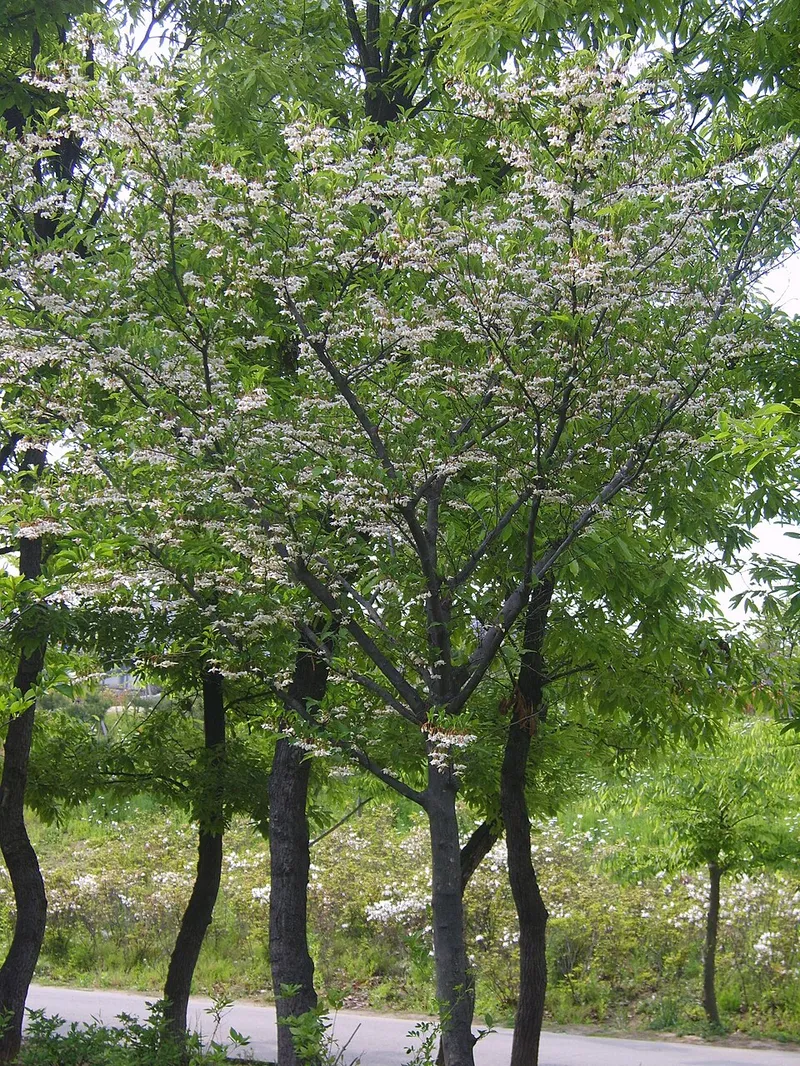
6-10 feet tall and wide, multi-stemmed, deciduous; blooms May-June with flat-topped white cyme clusters; blue-black drupes ripen September-October; spreads by suckering and seed.
Propagation: softwood cuttings in early summer; semi-hardwood cuttings root in late summer; seeds require double dormancy, warm stratification followed by cold stratification.
Native region: Native to Tennessee; found statewide in moist woodland edges, stream banks, and forest understory, common through Middle Tennessee.
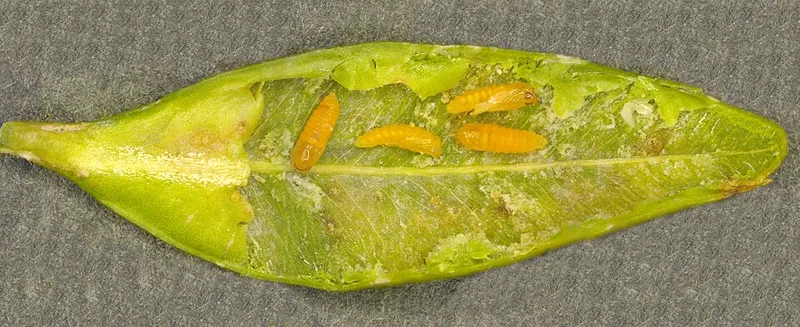
One of the most adaptable native shrubs for Middle Tennessee landscapes · V. dentatum handles the region's clay-dominated soils and summer humidity without the fungal issues that plague many ornamental shrubs. Fall color ranges from glossy red to reddish-purple and is consistent in Zone 6b/7a conditions. The species is highly valuable to wildlife: fruit consumed by over 35 bird species including wood thrushes, bluebirds, and robins; stems historically used by Native Americans for arrow shafts, which gives the plant its common name. Viburnum leaf beetle (Pyrrhalta viburni) can cause significant defoliation but is not yet established as a major pest in Middle Tennessee, watch for skeletonized leaves in spring. Multi-stem form is maintained by selective removal of oldest canes every 3-4 years.
Quick Facts
- Common Name
- Arrowwood Viburnum
- Scientific Name
- Viburnum dentatum
- Plant Type
- Shrub
- Region
- Middle Tennessee