About Anisetree
Anisetree (Illicium parviflorum)
Small Anise Tree, Yellow Anisetree
Part to full shade, moist to wet, tolerates clay and seasonally flooded conditions; pH 5.0-6.5; declines in alkaline or dry exposed sites.
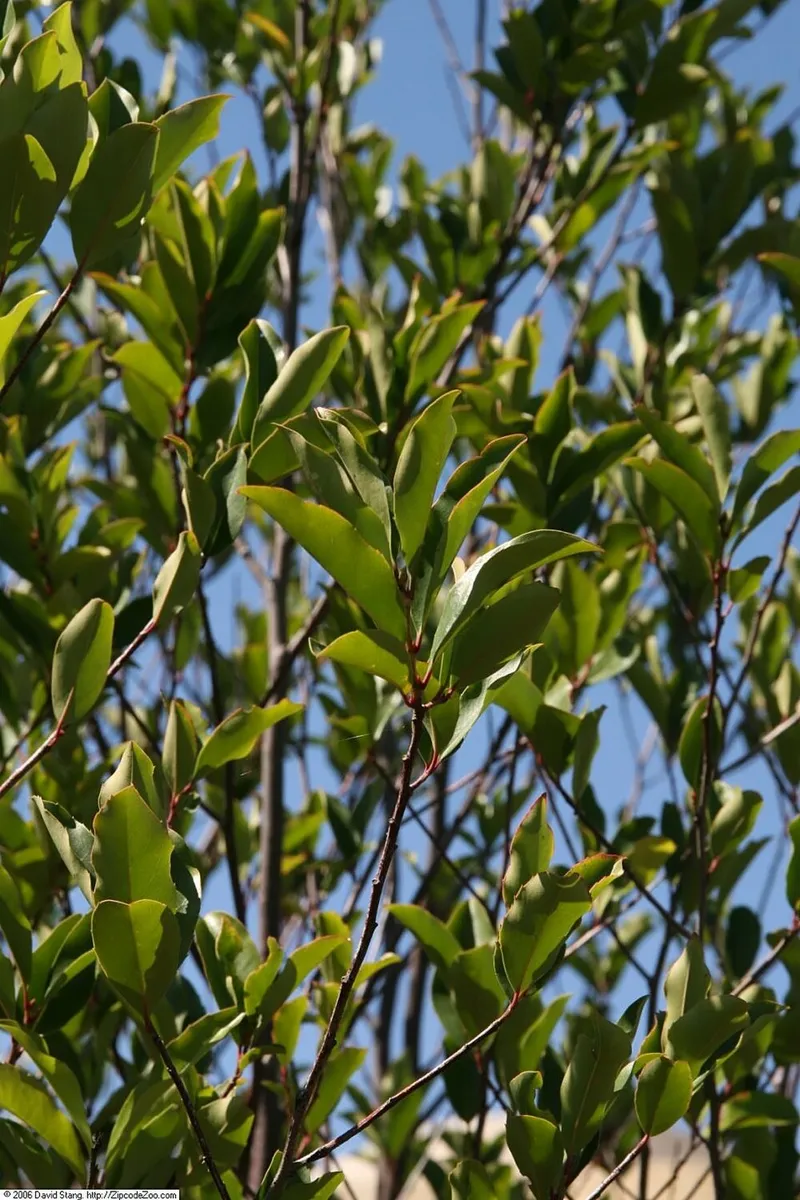
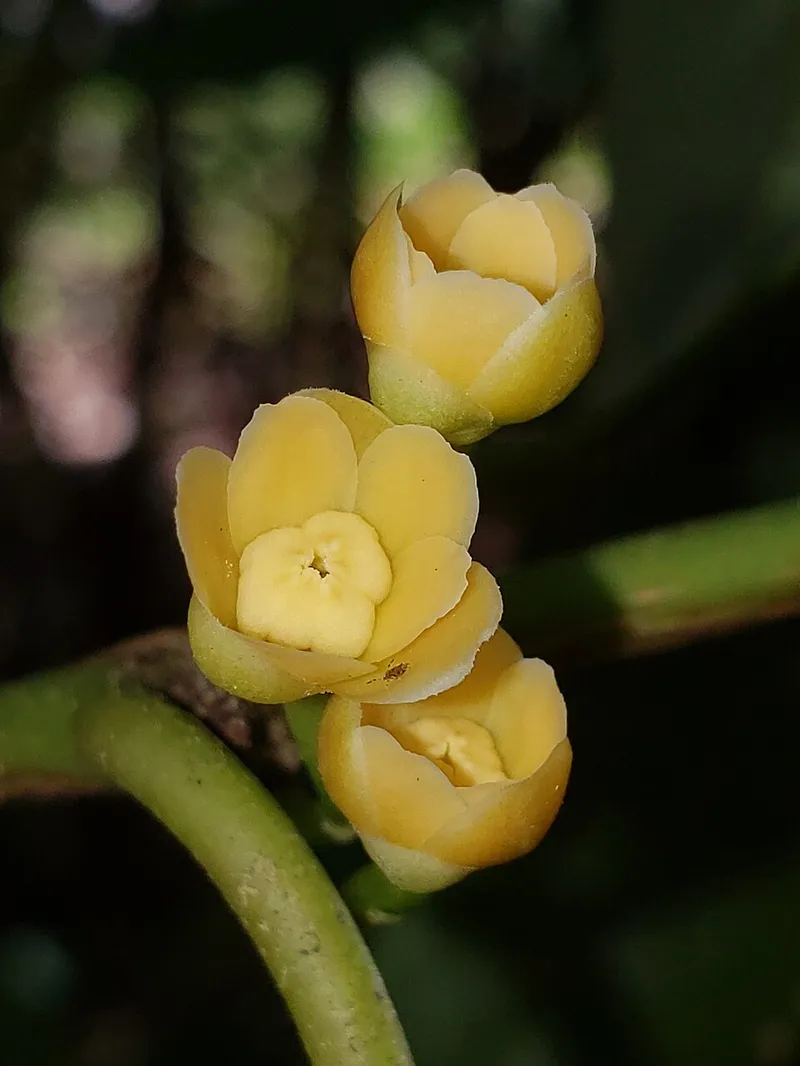
10-15 feet tall and 6-10 feet wide; blooms May-June with small yellowish flowers, ornamentally minor; evergreen foliage strongly anise-scented when crushed; spreads slowly by root sprouts to form colonies.
Propagation: semi-hardwood cuttings in summer; seed erratic and slow.
Native region: Not native to Tennessee; native to Florida and southern Georgia; used as a shade-tolerant evergreen screen in Middle Tennessee landscapes.
Illicium parviflorum fills a specific niche in Middle Tennessee plantings, shade-tolerant, evergreen, and genuinely unbothered by the wet clay soils along creek margins and low spots that defeat most ornamentals. The aromatic foliage is toxic to deer and most browsing animals, making it a reliable no-spray solution in areas with heavy deer pressure. Plant performance in Zone 7a is generally good but hardiness can be marginal in severe winters; siting against a south- or east-facing wall or under deciduous overstory protects foliage from desiccating winds. There are no significant insect pests on record in Tennessee landscapes. The dense, evergreen canopy provides effective year-round visual screening and the plant rarely requires pruning to maintain structure.
Quick Facts
- Common Name
- Anisetree
- Scientific Name
- Illicium parviflorum
- Plant Type
- Shrub
- Region
- Middle Tennessee