About American Beautyberry
American Beautyberry (Callicarpa americana)
French Mulberry, American Beautyberry
Full to part sun, moderately moist to well-drained, tolerates clay and drought once established; pH 5.5-7.0.
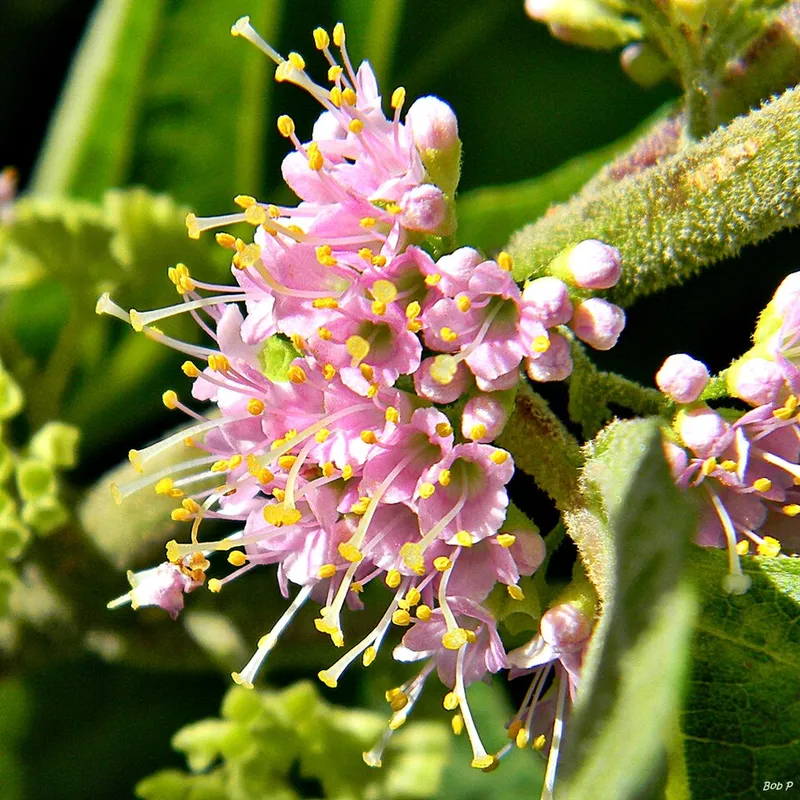
4-8 feet tall and wide; blooms June-July with tiny pink flowers in axillary clusters; distinctive magenta-purple berry clusters ripen August-September and persist through November; deciduous; spreads by seed and root sprouts.
Propagation: softwood cuttings in early summer root readily; seed germinates without pretreatment.
Native region: Native to Tennessee; common statewide in open woodlands, forest edges, and disturbed uplands.
The vivid magenta berry clusters of Callicarpa americana are among the most eye-catching fruit displays of any native shrub in Middle Tennessee, clusters persist on bare branches well into fall after leaf drop, making them even more conspicuous. The species requires almost no maintenance once sited appropriately; it regenerates vigorously from the base after hard freezes or if cut to the ground in late winter, which also promotes vigorous new growth with maximum berry production. Deer do browse the foliage, though not severely enough to threaten plant survival. Wildlife value is high, over 40 bird species consume the berries, including bobwhite quail and wild turkey. No significant pest or disease problems affect established plants. Useful as a mid-border shrub or informal hedge in naturalistic plantings.
Quick Facts
- Common Name
- American Beautyberry
- Scientific Name
- Callicarpa americana
- Plant Type
- Shrub
- Region
- Middle Tennessee