About shasta daisy
Shasta Daisy (Leucanthemum x superbum)
Full sun, medium moisture, well-drained loam; tolerates clay soils if drainage is adequate; pH 5.5-7.0.
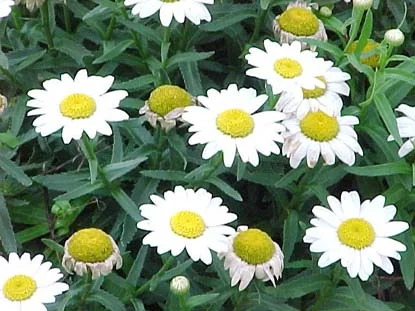
2-3 feet tall by 2 feet wide; blooms late spring into summer (June-August in Middle Tennessee) with classic white daisy flowers and yellow centers on stiff upright stems; spreads by rhizome to slowly expand clumps; clumps decline in vigor after 3-4 years and benefit from division.
Divide every 3 years in early spring; discard the woody center of older clumps and replant vigorous outer sections.
Native region: Not native to Tennessee; Leucanthemum x superbum is a complex hybrid group developed by Luther Burbank, involving multiple Leucanthemum and Chrysanthemum species from Europe and Asia.
Shasta daisies are reliable in Middle Tennessee when drainage is adequate, standing water after heavy rain is the primary cause of crown rot during the humid summer months. Compact cultivars such as 'Becky' are better suited to the I-65 corridor than tall single-stemmed selections that flop after heavy summer rain. 'Becky' has demonstrated above-average heat and humidity tolerance for Zone 7 conditions. Deadheading extends bloom and prevents the weedy self-seeding common in older cultivars. Leucanthemum is attacked by aphids, thrips, and occasionally chrysanthemum leaf miner in high-humidity conditions; inspect the undersides of leaves if yellowing occurs during summer.
Quick Facts
- Common Name
- shasta daisy
- Scientific Name
- Leucanthemum x superbum
- Plant Type
- Perennial
- Region
- Middle Tennessee