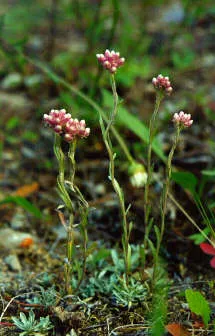
About Pussytoes
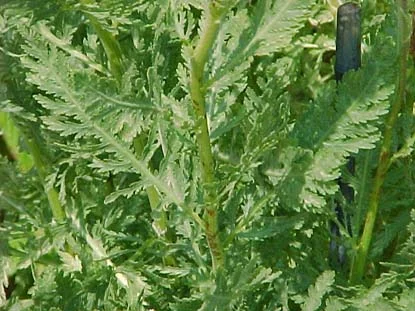
Pussytoes (Antennaria plantaginifolia)
Plantain-leaved Pussytoes, Ladies' Tobacco
Full sun to part shade, dry to medium moisture, rocky or sandy acid soil; indicator of lean, well-drained, low-fertility conditions, does poorly in rich, moist garden soils.
4-12 inches tall; blooms in early spring with small, fuzzy, white to cream flower heads clustered at stem tips, the woolly heads resemble cat's toes; spreads by stolons to form low, spreading mats; female and male plants occur separately (dioecious).
Native region: Statewide in Tennessee, with concentrations in the Cumberland Plateau and Highland Rim; found on dry, rocky, open slopes and thin-soiled glades.
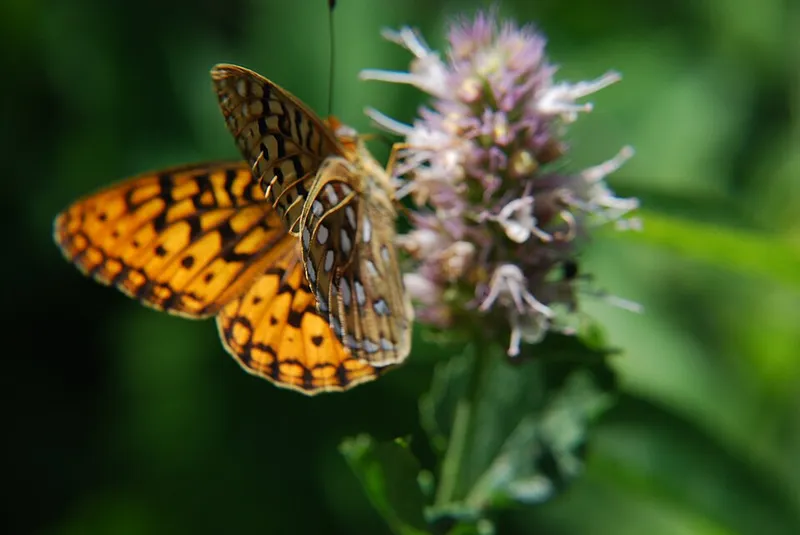
Distinguished from the closely related Antennaria parlinii by its broader, plantain-shaped basal leaves. Both species fill the same ecological niche: dry, open, infertile sites where conventional groundcovers fail. In Middle Tennessee, this is a candidate for rocky slopes, cedar glade margins, and well-drained areas where lawn establishment is impractical. The low mat-forming habit and early spring bloom make it a host plant for American Painted Lady butterfly (Vanessa virginiensis) larvae. Propagate by division of stoloniferous mats in spring; direct seeding is possible but germination is erratic.
Quick Facts
- Common Name
- Pussytoes
- Scientific Name
- Antennaria plantaginifolia
- Plant Type
- Perennial
- Region
- Middle Tennessee