About Lenten Rose
Lenten Rose (Helleborus orientalis)
Hellebore, Orientalis Hybrid
Part shade to full shade; medium to moderately dry moisture once established; well-drained, humusy soil; moderately acid to neutral pH.
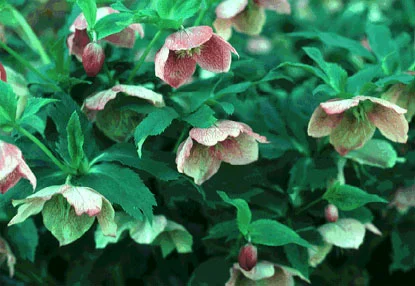
18-24 inches tall and wide; blooms late winter to early spring (February-April in Middle Tennessee) with nodding flowers in white, cream, pink, rose, burgundy, or near-black, often with spotting; evergreen leathery foliage; spreads by self-seeding to form colonies over time.
Remove old foliage in January before flowers emerge to display blooms and reduce disease; do not divide unless necessary, plants resent disturbance and take 2-3 years to re-establish.
Native region: Not native to Tennessee; ornamental introduction from southeastern Europe and western Asia (Greece, Turkey).
Lenten rose is one of the most valuable perennials for Middle Tennessee shaded landscapes, blooming in February and March when almost nothing else is in flower. It is fully evergreen through Zone 6b winters, providing year-round structure in shaded beds. Established plants tolerate significant summer drought under tree canopies, a performance advantage over hostas and astilbes in the same conditions. Self-seeding produces variable seedlings that typically take 3-4 years to bloom; select and relocate desirable seedlings while small, as larger plants resist moving. All parts are toxic, relevant in yards with pets or children. Deer generally avoid it.
Quick Facts
- Common Name
- Lenten Rose
- Scientific Name
- Helleborus orientalis
- Plant Type
- Perennial
- Region
- Middle Tennessee