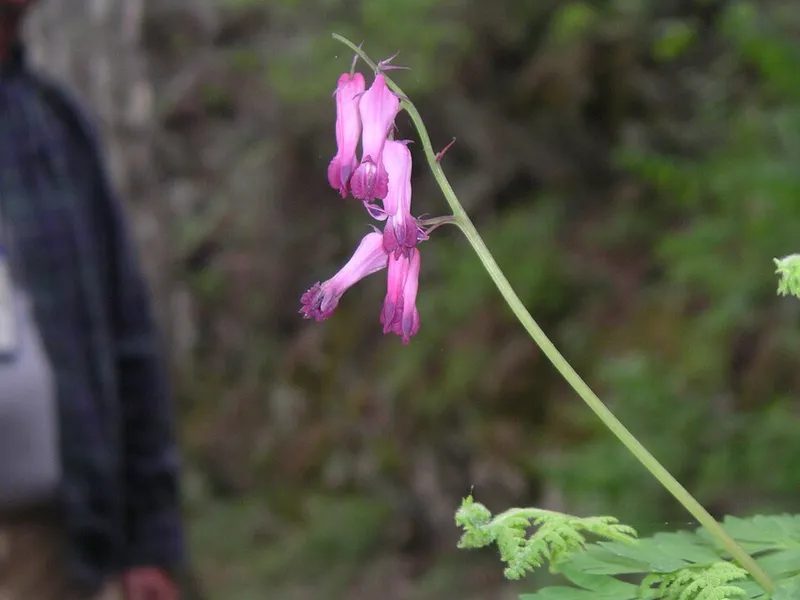
About Fringed Bleeding Heart
Fringed Bleeding Heart (Dicentra eximia)
Wild Bleeding Heart, Turkey Corn
Part shade to full shade, medium moisture level, organically rich, well-drained soil; moderately acid pH.
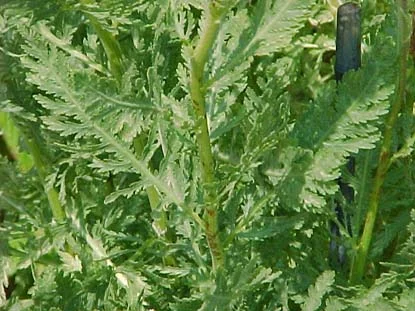
12-18 inches tall and wide; blooms spring to early summer (April-June in Middle Tennessee) with arching stems of pendant rosy-pink heart-shaped flowers; fernlike blue-green foliage; spreads slowly by seed and short rhizomes.
Divide clumps in early spring or fall; deadheading spent flowers extends the bloom period into summer on cool or shaded sites.
Native region: Native to the Appalachian Mountains; occurs in the Blue Ridge Province of Tennessee in moist, rocky woodlands and cliff ledges.
Fringed bleeding heart differs from the closely related common bleeding heart (Dicentra spectabilis) in remaining in leaf through summer in Middle Tennessee rather than going fully dormant after spring bloom, an important practical distinction for maintaining continuous coverage in shaded beds. It performs best on the shaded north and east sides of structures in Columbia-area homes where summer temperatures are moderated and soil moisture is consistent. The primary failure mode is dry shade: unlike some shade perennials, D. eximia will not tolerate prolonged drought and will decline if soil moisture drops significantly through July and August. Deer typically avoid it due to the alkaloid content.
Quick Facts
- Common Name
- Fringed Bleeding Heart
- Scientific Name
- Dicentra eximia
- Plant Type
- Perennial
- Region
- Middle Tennessee