About daylily
Daylily (Hemerocallis spp.)
Full sun to part shade, medium to moderately dry moisture, tolerates a wide range of soils including heavy clay; adaptable to pH 6.0-7.0.
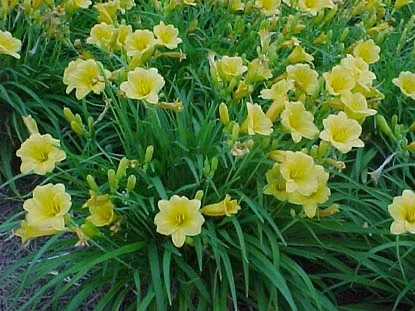
Mature clumps 1-4 feet tall depending on cultivar; blooms late spring through summer (peak June-July in Middle Tennessee) with lily-shaped flowers in colors ranging from yellow to orange, red, pink, and near-white; each flower lasts a single day; spreads by rhizome to enlarge clumps; does not set viable seed in most modern hybrids.
Propagation by division in early spring or late summer; clumps benefit from division every 3-5 years to maintain vigor.
Native region: Not native to Tennessee; ornamental introduction from eastern Asia. Hemerocallis fulva (common orange daylily) has naturalized along roadsides statewide.
Hemerocallis hybrids are among the most reliably low-maintenance perennials for the heavy clay soils of Middle Tennessee. The genus tolerates the combination of summer humidity and wet winters that stresses many ornamental perennials in the Zone 6b/7a transition zone. H. fulva, the common roadside daylily, is technically invasive in disturbed habitats and has largely been replaced in cultivation by named hybrids. Leaf streak (Aureobasidium spp.) and daylily rust (Phakopsora hemerocallidis) can both appear under the humid subtropical conditions common in Middle Tennessee from July onward; rust is managed by removing infected foliage promptly.
Quick Facts
- Common Name
- daylily
- Scientific Name
- Hemerocallis spp.
- Plant Type
- Perennial
- Region
- Middle Tennessee