About Creeping Phlox
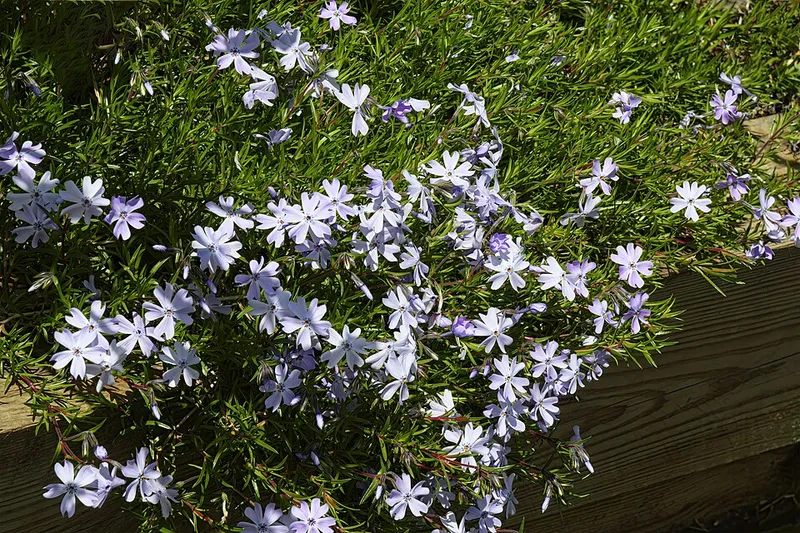
Creeping Phlox (Phlox subulata)
Moss Phlox, Moss Pink
Full sun, well-drained to dry; tolerates poor, rocky, or sandy soils; pH 6.0-7.0; does not tolerate standing water or heavy clay without amendment.
10-15 cm tall, spreading 45-60 cm wide; blooms April-May with a dense carpet of pink, white, lavender, or magenta flowers covering the foliage entirely; semi-evergreen needle-like foliage persists year-round.
Stem cuttings after bloom root easily; divide established mats every 3-4 years to maintain vigor and prevent dead centers.
Native region: Native to eastern North America; recorded in rocky outcrops and open woodland edges in parts of Tennessee, primarily in the eastern portions of the state.
Creeping phlox delivers one of the most impactful spring displays of any groundcover in Middle Tennessee landscapes, the bloom density in April is unmatched by other low-growing plants. Best performance comes on slopes, walls, and raised beds where drainage is sharp; in the flat, clay-heavy soils around Columbia and Lewisburg, plant in raised beds or on the crest of berms. After bloom, shear plants by one-third to encourage compact regrowth and improve air circulation; unpruned plants develop dead woody centers within a few seasons. Powdery mildew can appear in late summer under humid conditions; thinning and full sun exposure minimize risk.
Quick Facts
- Common Name
- Creeping Phlox
- Scientific Name
- Phlox subulata
- Plant Type
- Groundcover
- Region
- Middle Tennessee