If you've walked out to your lawn recently and noticed thick, green grass blades that seem to grow twice as fast as everything else around them, you're dealing with one of the most frustrating lawn problems in Middle Tennessee: invasive grass species that have found their way into your otherwise beautiful fescue lawn.
After helping homeowners across Columbia, Franklin, Spring Hill, and surrounding areas deal with this exact problem for over a decade, I can tell you that you're not alone, and there are solutions, though none of them are particularly easy.
What You're Probably Looking At
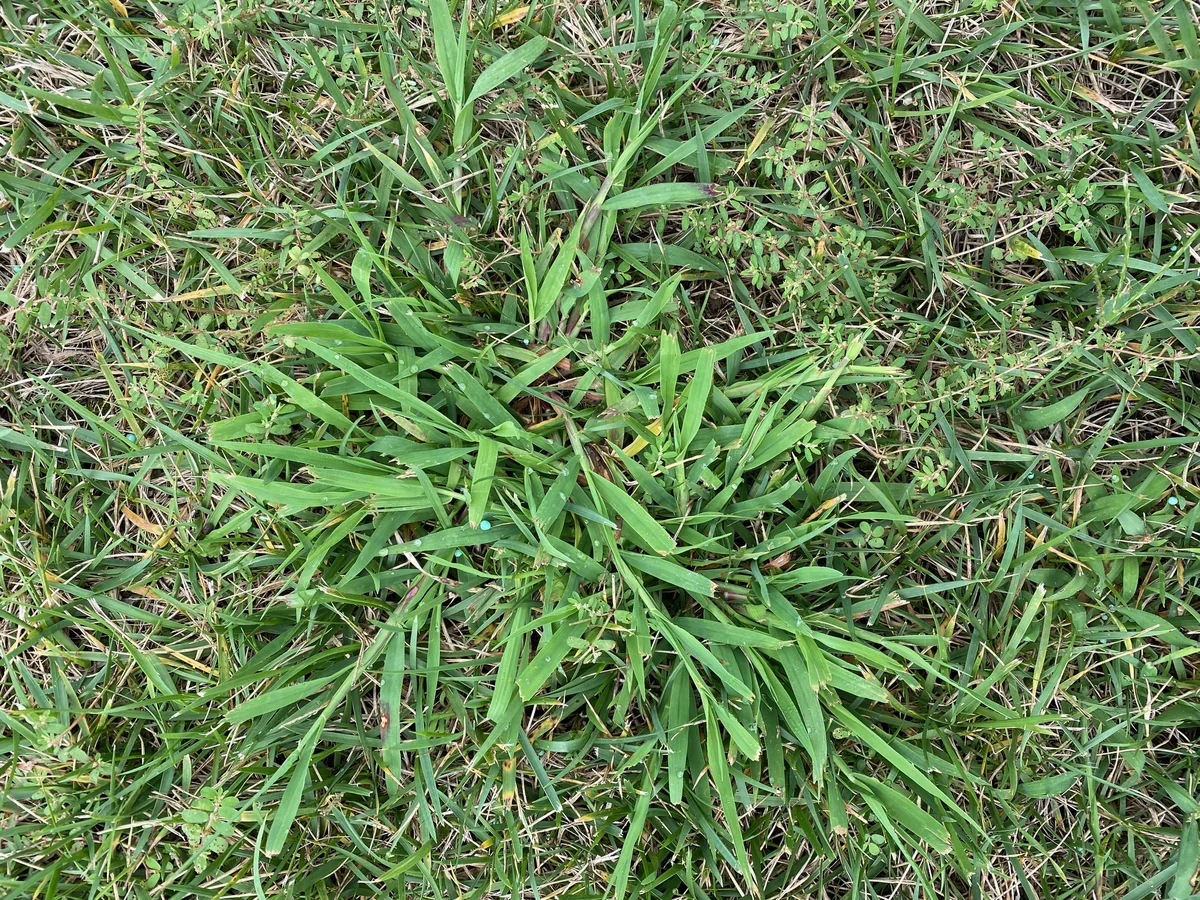
Those thick, fast-growing blades that stand out like a sore thumb? Most likely you're dealing with quack grass · a perennial weed grass that's become increasingly common in Middle Tennessee lawns, especially this year.
Here's how to identify quack grass:
- Thicker blades than your regular fescue
- Lighter green color that contrasts with surrounding grass
- Grows much faster · you'll notice it sticking up after mowing
- Rougher texture when you run your hand across it
- Floppier appearance · doesn't stand upright like healthy fescue
Why This Problem Has Gotten Worse This Year
I've seen a significant increase in quack grass problems across Middle Tennessee in 2026, and I'm not the only one. Homeowners nationwide are reporting similar issues, particularly those who used certain brand-name seed mixes this year. The problem often starts with contaminated grass seed. When you think you're buying quality fescue seed, you might unknowingly be introducing quack grass and other weeds into your lawn. Once it's there, it spreads rapidly through underground root systems called rhizomes.
The Challenge: Why Quack Grass Is So Hard to Eliminate
Here's the frustrating truth about quack grass: there is no selective herbicide that will kill it without also damaging your good fescue grass. This makes it fundamentally different from most other lawn weeds, which can be selectively eliminated with the right herbicide.
Quack grass is also a perennial, meaning it comes back year after year and actually gets stronger over time. Unlike annual weeds that you can sometimes control with pre-emergent herbicides, quack grass laughs at pre-emergents because it's already established.
Your Options: From Tedious to Nuclear
Option 1: Hand Removal (For Small Infestations)
If you only have a few dozen problem spots, hand removal can work, but it requires dedication:
- A good weeding tool (many professionals swear by the "grandpa weeder" style)
- Time and patience to get the entire root system
- Weekly follow-up to catch any regrowth
The reality: This only works for very small infestations. If you have hundreds of problem spots, this approach will consume your entire summer.
Option 2: Precision Herbicide Application
Since we can't spray selectively, some homeowners get creative with precise application methods:
Glyphosate "painting": Use a small brush to apply non-selective herbicide only to problem blades. Requires steady hands and lots of time. Effective but extremely labor-intensive.
Foam applicators or sponge tools: Special tools that let you apply herbicide to individual grass blades. Faster than brush painting but still time-consuming.
Option 3: Section Renovation
For moderate to heavy infestations, killing off problem sections and reseeding often makes more sense:
- Identify the worst areas · usually patches where quack grass dominates
- Apply glyphosate to kill everything in those sections
- Wait 2-3 weeks for complete kill
- Reseed with quality, certified fescue seed
This approach is faster than spot-treating individual plants and gives you a fresh start with better seed.
Option 4: Complete Lawn Renovation (The Nuclear Option)
Sometimes it's easier to start over entirely: kill the entire lawn with glyphosate, wait for complete kill, then prepare soil and reseed. Expensive but guarantees you're starting clean. Best option if contamination is widespread (more than 30% of your lawn).