About Little Barley
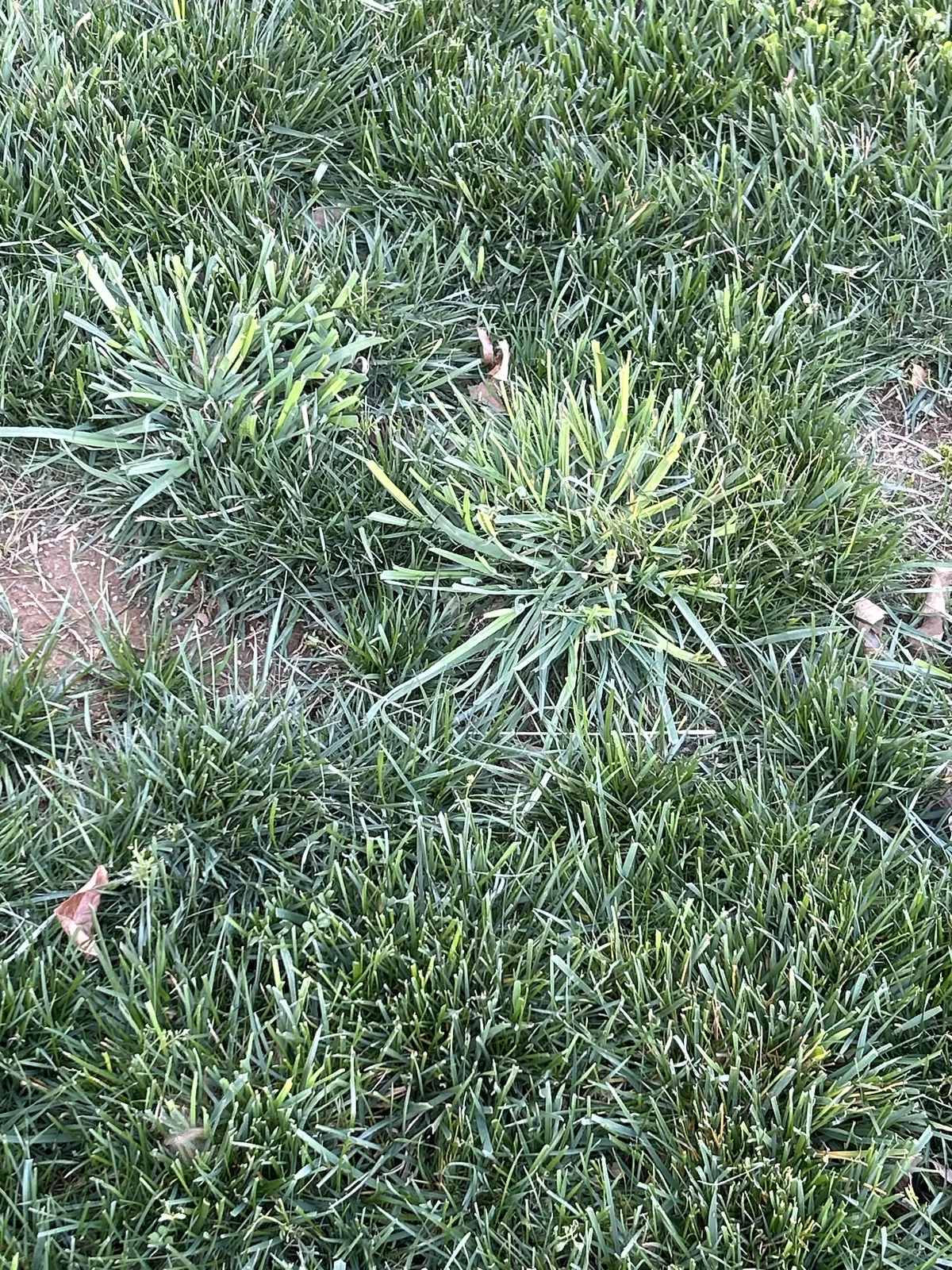
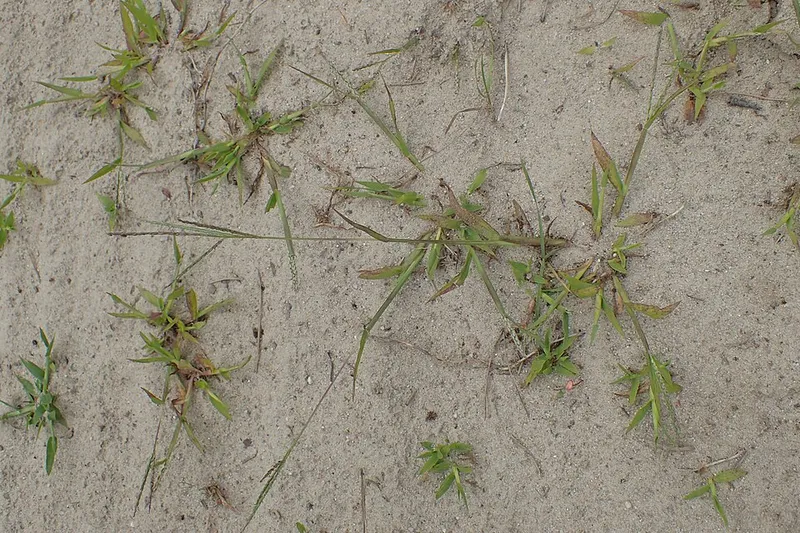
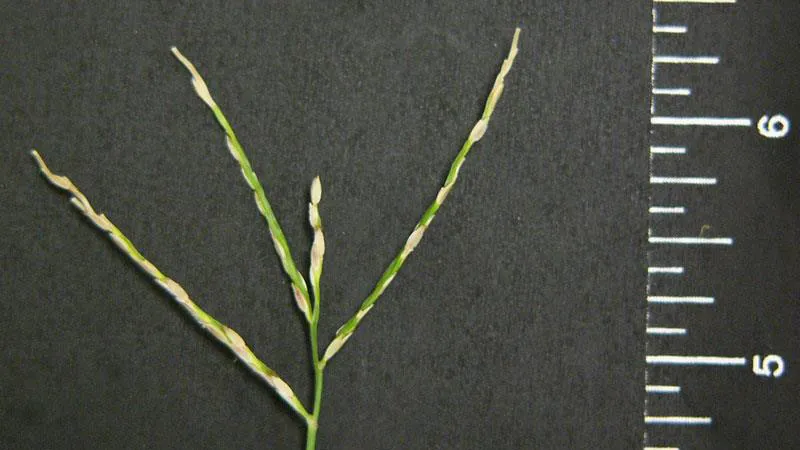
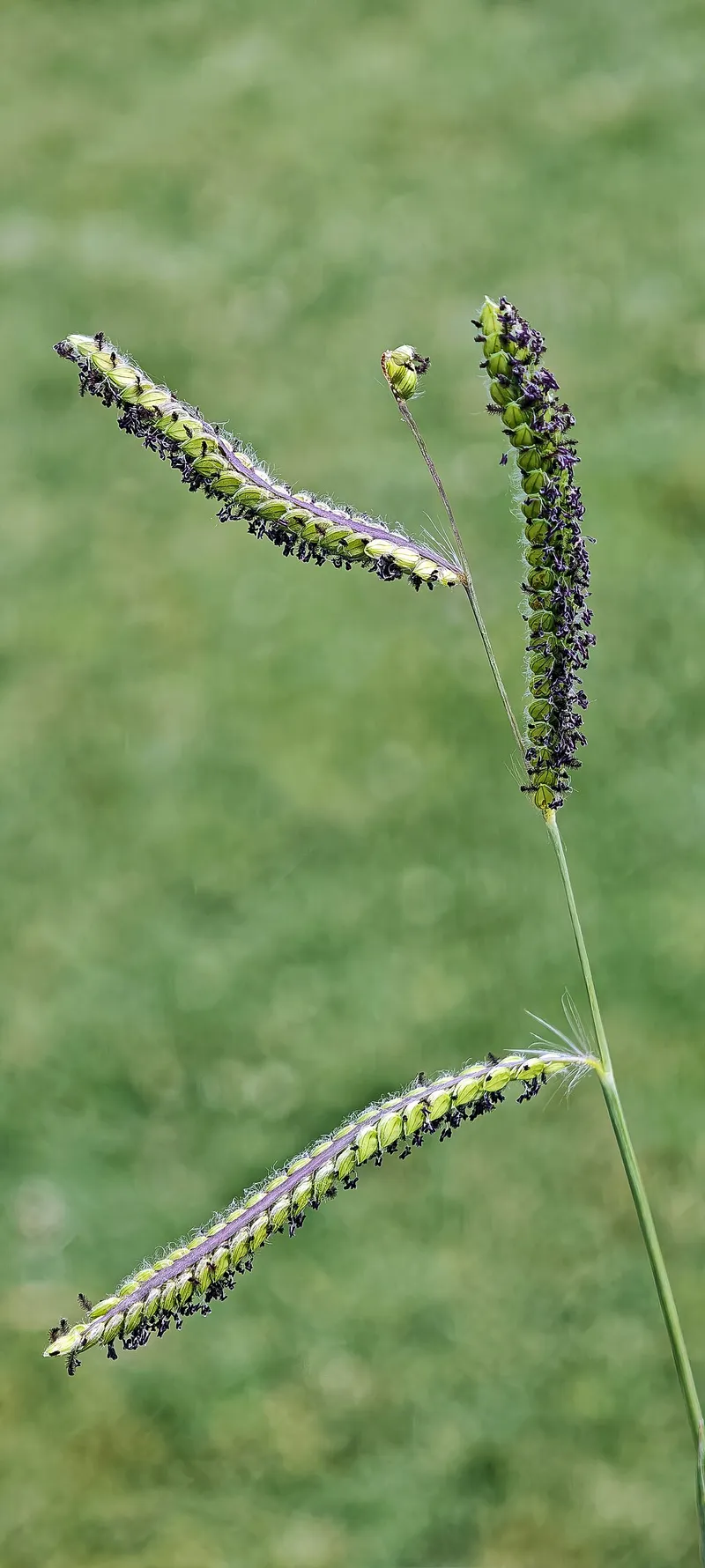
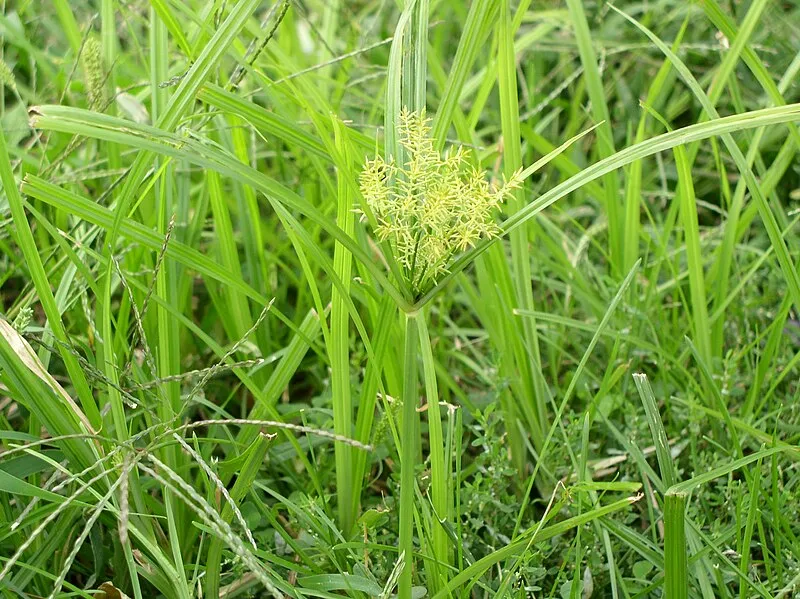
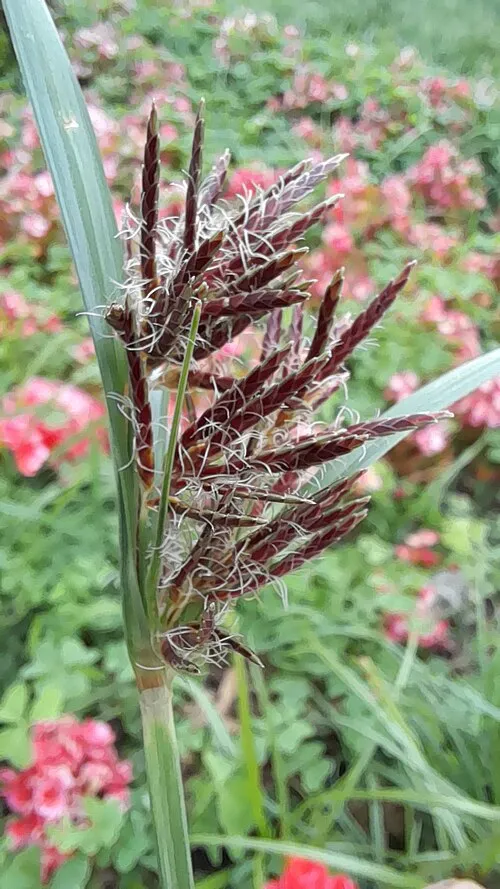
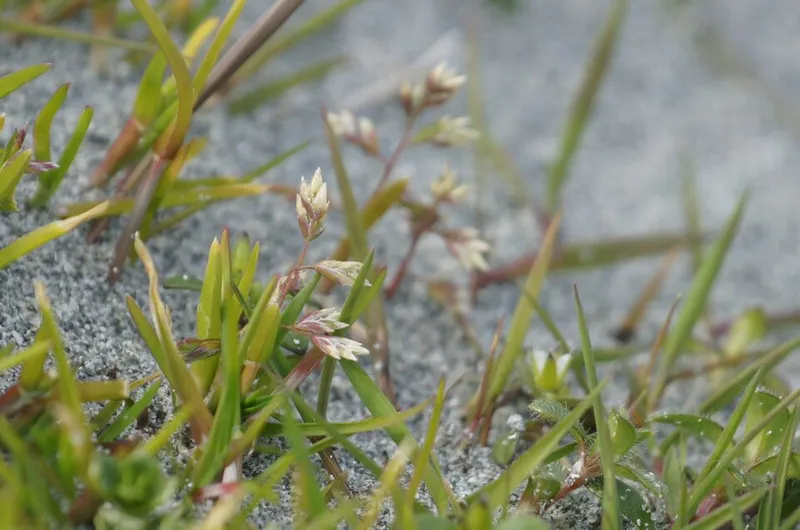
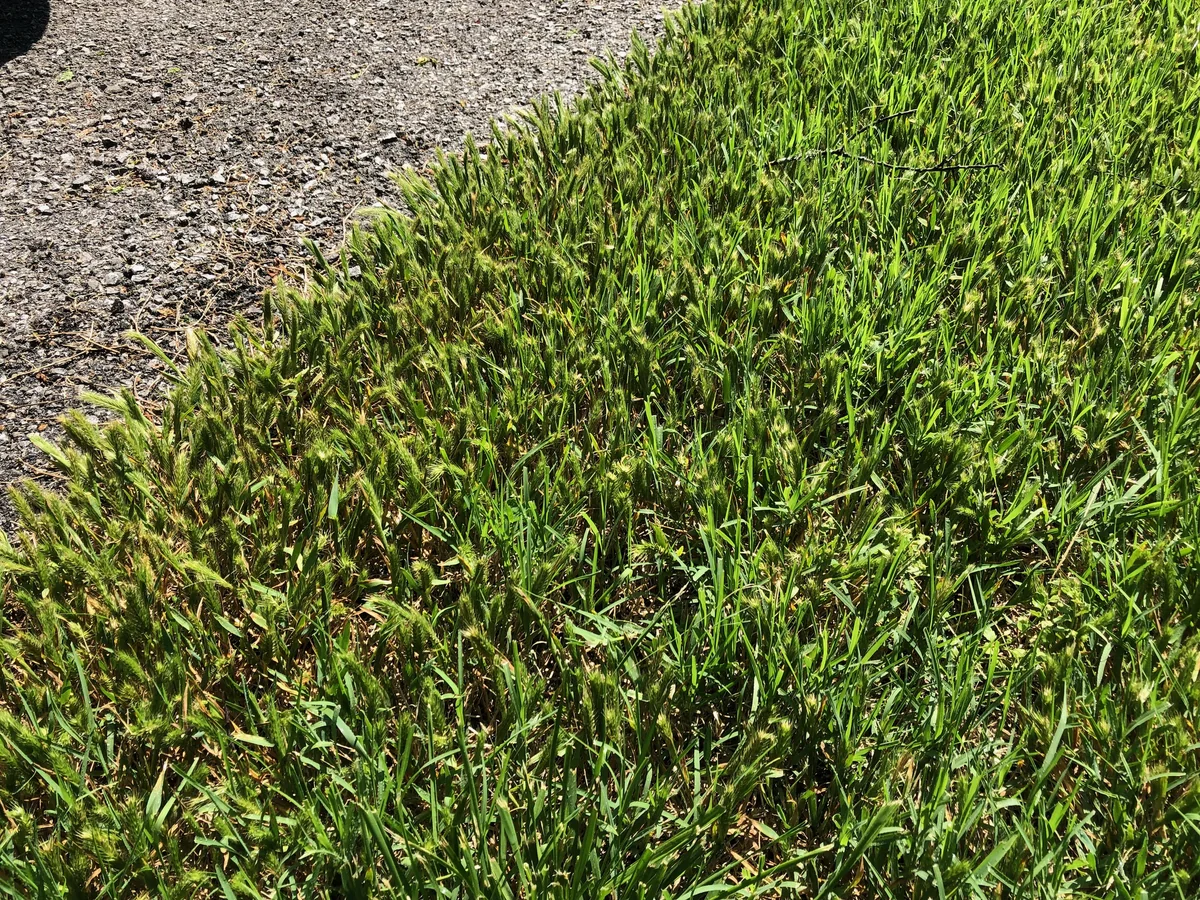
Little barley (Hordeum pusillum) is a winter annual grass that germinates in fall, overwinters as small rosettes, bolts in early spring with distinctive wheat-like seed heads, and dies back completely by May or June. Most homeowners never notice it until April or May, when every driveway edge and south-facing lawn border has a three-week burst of tan-colored seed heads that look like miniature barley, because that's exactly what they are.
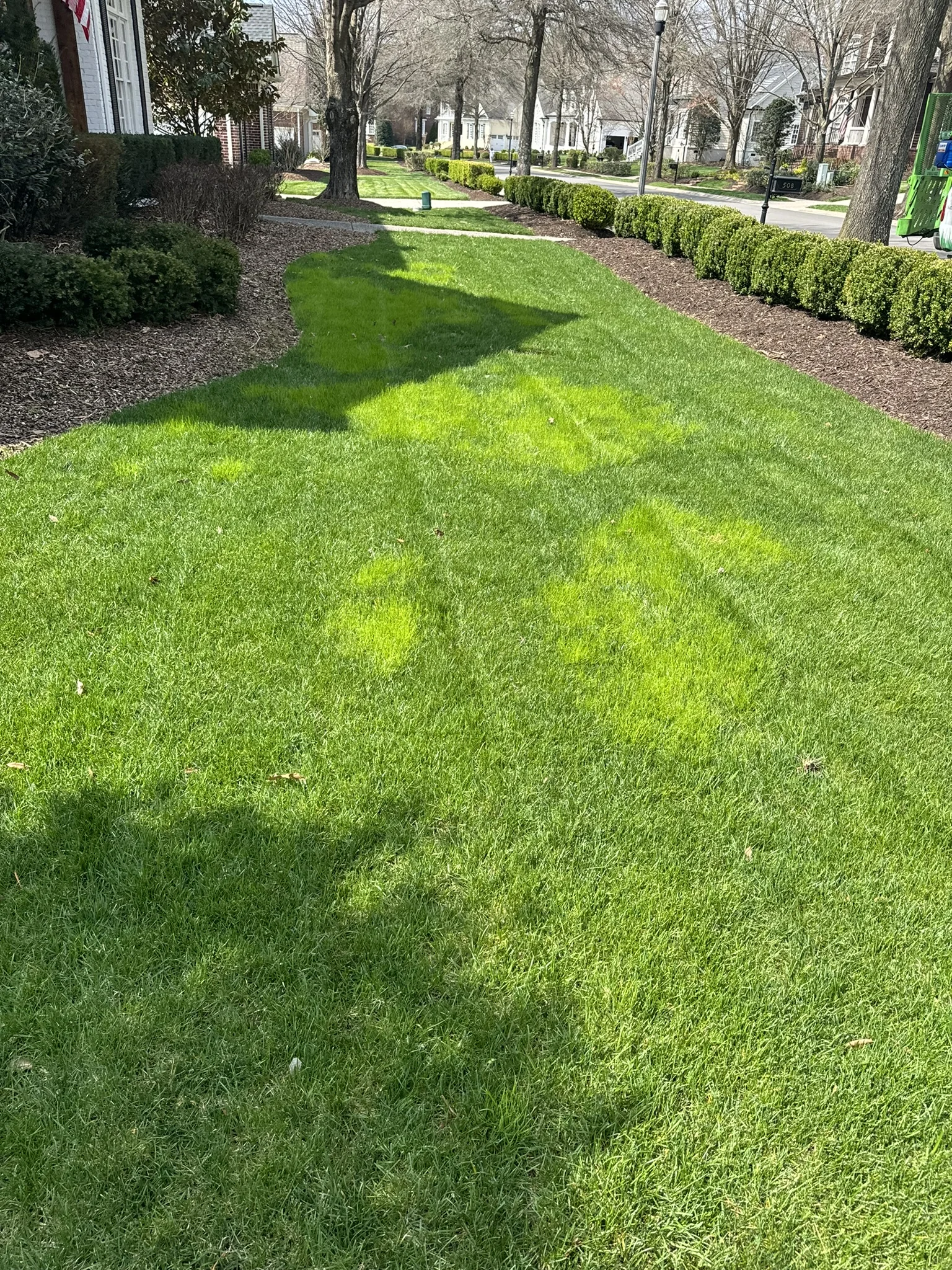
Little barley is a driveway-edge and hardscape-adjacent weed. I rarely see it taking over the middle of a well-maintained fescue lawn. It concentrates where the soil is compacted, hot, and low on fertility, driveway borders, sidewalks, boulevard strips, sunny fencelines, and the gravel-contaminated strips that new construction leaves behind. Dense fescue crowds it out before the seed can germinate in those interior areas.
Control is timing-dependent. By the time you see the seed heads in April, the plant has already completed its reproductive cycle and new seed is dropping. Spraying at that point is pointless, it's about to die on its own. The effective window is a pre-emergent in early fall, applied to the hardscape edges where you know it comes back year after year. Dithiopyr and prodiamine both work. Post-emergent control during the growing season is possible with quinclorac or similar grass-active products, but the better move is shifting the fertility and overseeding density so fescue outcompetes it in those edge zones. A thick fescue lawn is the cheapest pre-emergent there is.
Quick Facts
- Common Name
- Little Barley
- Scientific Name
- Hordeum pusillum
- Type
- Turf Weed
- Region
- Middle Tennessee