About Japanese Anemone
Japanese Anemone (Anemone hupehensis)
Chinese Anemone, Fall Anemone
Part sun to light shade, moderately moist, humus-rich soil preferred; pH 5.5-6.5; tolerates clay if amended with organic matter; dislikes drought and full afternoon sun in Middle Tennessee summers.
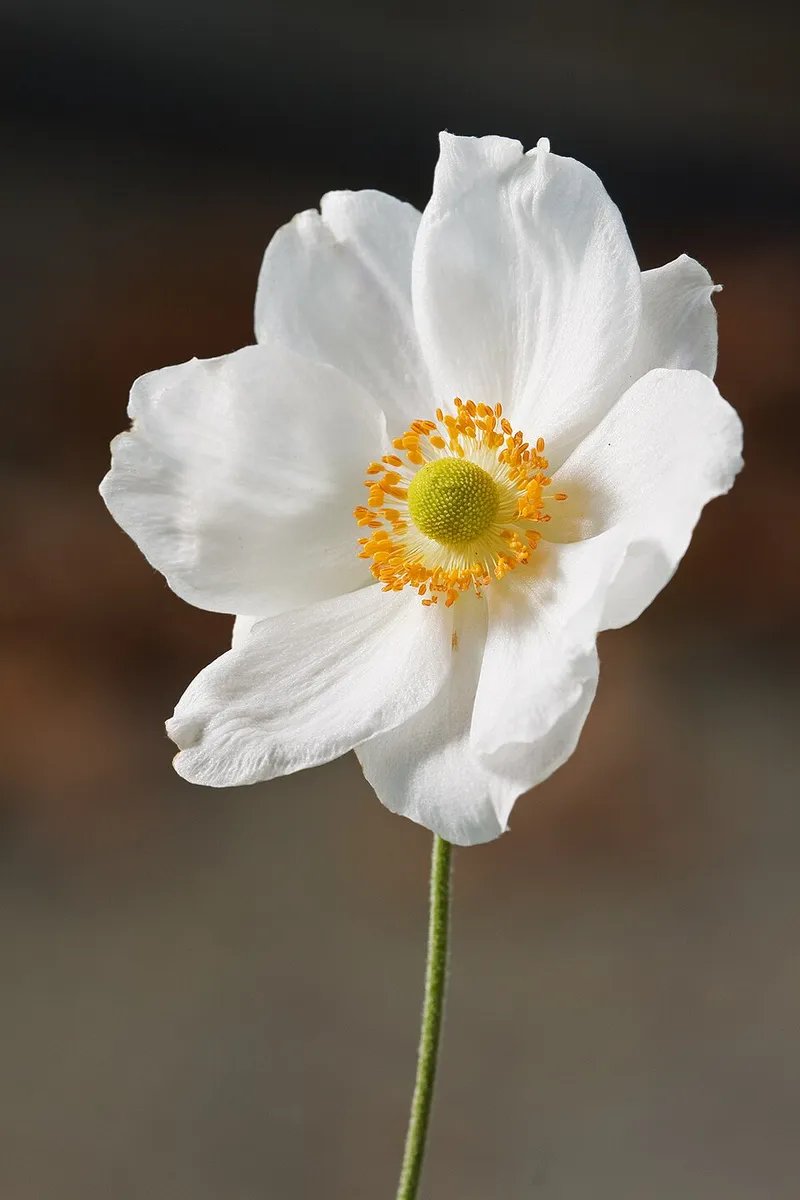
60-90 cm tall in flower, spreading mat 30-45 cm; blooms August-October with pink to rose or white single flowers on branched stems; spreads by rhizomes, forming expanding colonies over several seasons.
Division in early spring before growth emerges is the standard propagation method; root cuttings also work.
Native region: Not native to Tennessee; ornamental introduction from central China; widely cultivated in Zone 6b/7a.
Japanese anemone fills the late-summer and fall color gap in shaded beds where few other perennials perform well in Middle Tennessee. Establishment is slow in the first season, plants may bloom sparingly or not at all until the second year. Once established, the rhizomatous spread can become aggressive in moist, amended beds; division every 3-4 years maintains vigorous colonies without overwhelming adjacent plants. The long flower stems are prone to wind damage on exposed sites; stake or plant against a shrub backdrop for support. Cultivars 'Honorine Jobert' (white) and 'September Charm' (pink) are reliably hardy through Zone 6b winters.
Quick Facts
- Common Name
- Japanese Anemone
- Scientific Name
- Anemone hupehensis
- Plant Type
- Groundcover
- Region
- Middle Tennessee