About southern fire ant
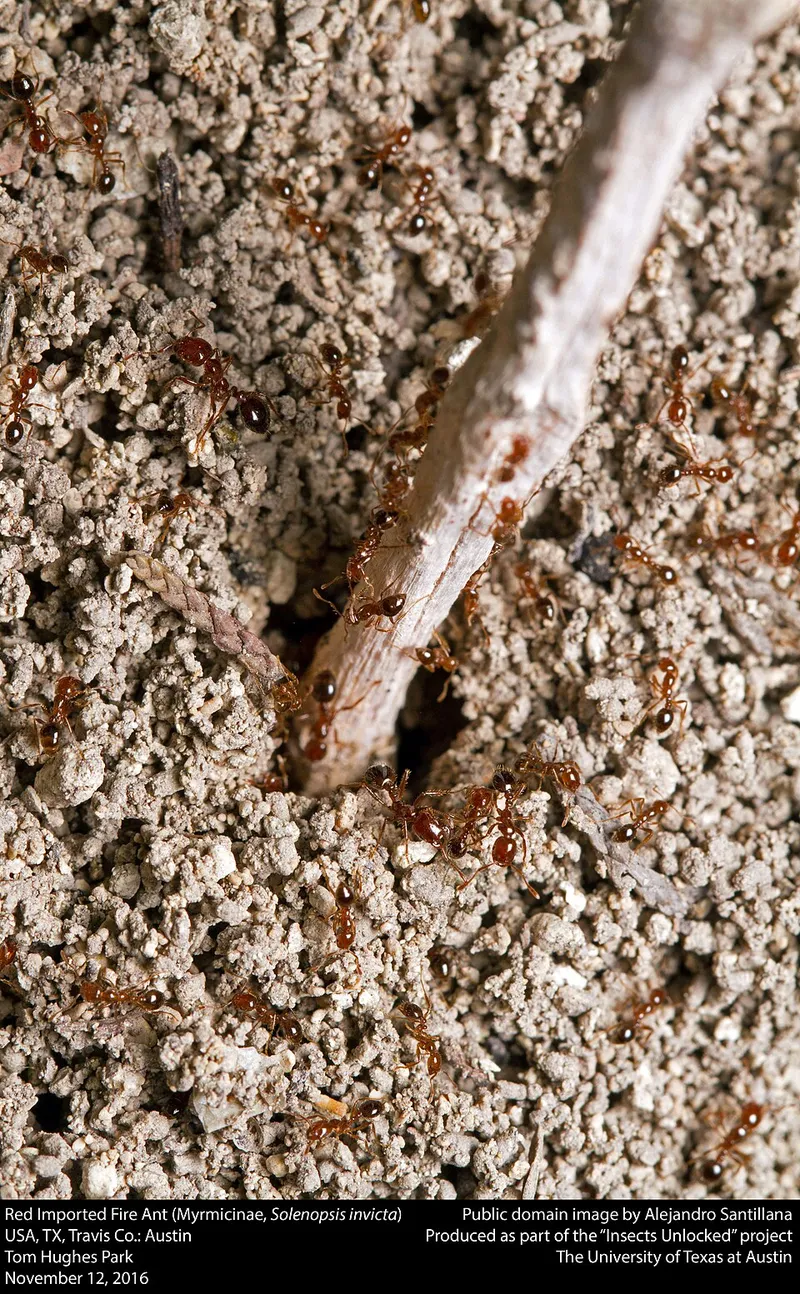
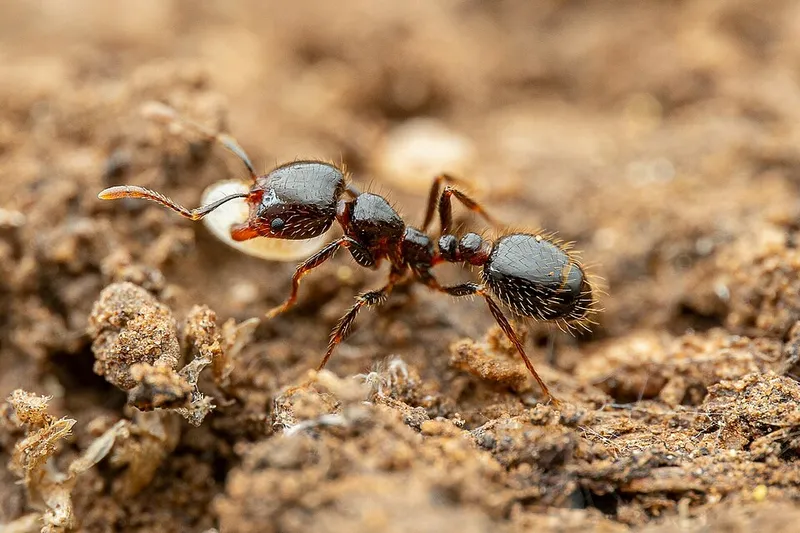
The Southern Fire Ant (Solenopsis xyloni) is the native fire ant species of the southern United States, including our lowland areas here in Middle Tennessee. Before the invasive Red Imported Fire Ant (RIFA) arrived from South America in the 1930s, this was the primary stinging ant in the region. You can identify them by their bicolored appearance: they typically have an amber or reddish-colored head and thorax with a dark brown or black abdomen. Unlike many other ants, they are polymorphic, meaning you will see workers of various sizes, anywhere from 1/16 to 1/4 inch long, crawling out of the same mound.
In our Columbia-to-Brentwood service corridor, fire ants are a 'watch-and-wait' pest. From my field experience treating lawns across Maury and Williamson Counties, I haven't seen fire ants established at scale in our local fescue lawns yet. They are slowly creeping north as our climate shifts, but for now, the massive, aggressive colonies common in Alabama or Georgia aren't the norm here. If you do see an ant mound in Middle Tennessee today, it is much more likely to be an Imported Fire Ant or a hybrid, as those aggressive invasive cousins have mostly displaced our native Southern Fire Ant from its original territory.
Unlike the dome-shaped, 18-inch tall mounds that the imported varieties build in open, sunny areas, the Southern Fire Ant is more discreet. They prefer nesting in loose soil, often creating flattened, diffuse mounds or hiding under stones, boards, and the bases of trees. You will frequently find them near the foundation of a house or in the woodwork of a deck. They still possess a painful sting, but it generally lacks the severe, white fluid-filled pustule reaction that makes the Red Imported Fire Ant so notorious.
Most homeowners I talk to in Spring Hill and Franklin confuse fire ants with the regular ant mounds they see around their ornamental trees. If you see a giant mound at the base of a maple or oak, it’s almost always a sign that the tree was planted too deep and is stressed. Those ants are usually farming aphids for honeydew, not looking to sting you. However, if fire ants do move into your turf, they are covered under our standard insect treatment approach. The same insecticide chemistry I use for grubs and surface insects, which we apply during the late spring and summer windows, provides a barrier that keeps these colonies from gaining a foothold in your lawn.
Quick Facts
- Common Name
- southern fire ant
- Scientific Name
- Solenopsis xyloni
- Category
- Fire Ant
- Region
- Middle Tennessee