About red imported fire ant
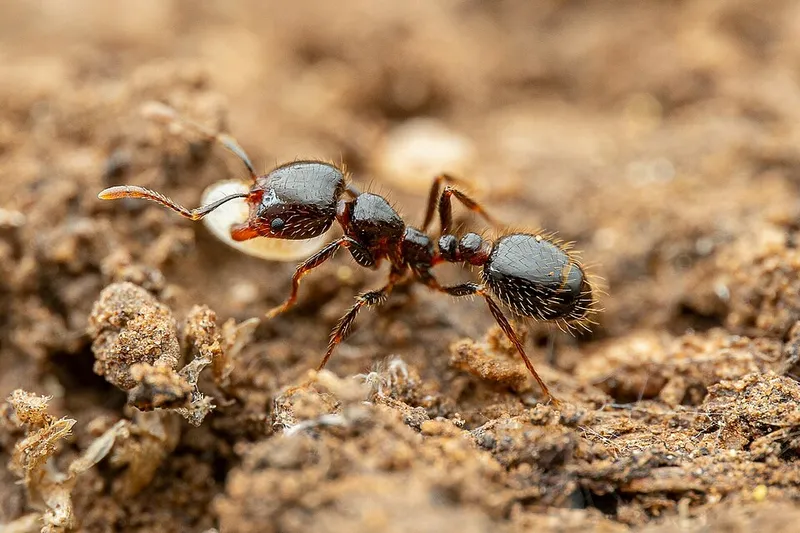
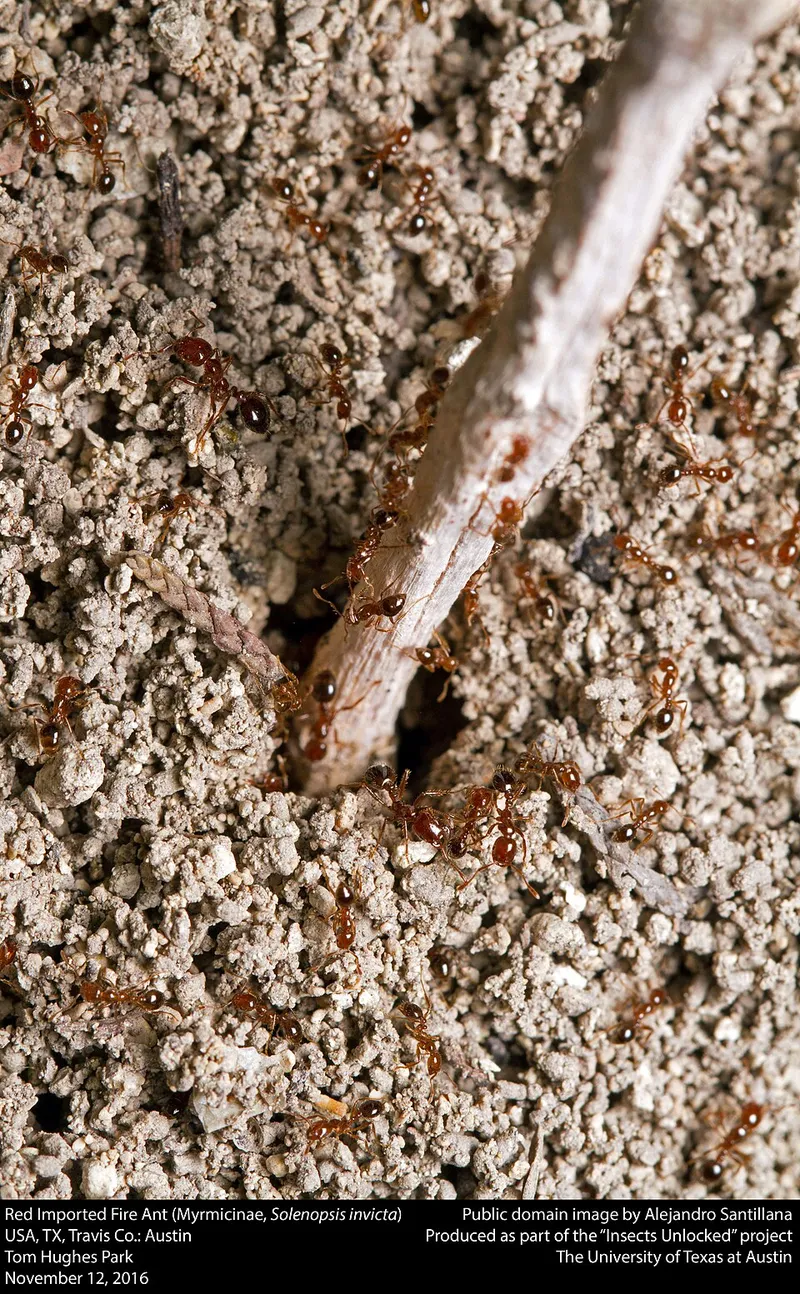
Red Imported Fire Ants (RIFA) are an aggressive, invasive species that look different from our native Southern fire ants. If you see a swarm of copper-brown ants with darker abdomens that range in size within the same colony, you’re likely looking at Solenopsis invicta. Unlike native ants that often have a clear entry hole at the top of their mounds, RIFA mounds look like piles of worked soil with no obvious opening. If you disturb them, they come out in waves, ready to sting. In our Columbia-to-Brentwood service corridor, we mostly deal with nuisance pavement ants or larger carpenter ants, but RIFA is the one everyone asks about because of the sting risk.
I want to be clear on the current state of things: I haven't seen established fire ant colonies at scale in my daily service routes through Maury and Williamson counties yet. While they’ve been a nightmare for guys in Alabama and Georgia for decades, they’re still a watch-and-wait pest for us in Middle Tennessee. They are creeping north, but for now, they aren't the primary lawn pest I'm hunting in Columbia or Spring Hill. Because RIFA hitchhike in nursery stock or sod coming up from the south, we stay vigilant. If you’ve just had a major landscape project installed with trees or shrubs sourced from outside the area, that’s when you need to keep a close eye on the yard.
If they do show up, you’ll notice mounds popping up after heavy rains, especially in open, sunny areas of the lawn. These aren't just cosmetic issues; RIFA is highly territorial. If a kid or a dog steps on a mound, the ants will crawl up and sting simultaneously when the colony feels threatened. It’s not just a bite, it’s a venomous sting that leaves a white pustule. In our humid 7a transition zone, these mounds reach 18 inches in diameter. In the heat of July when nighttime temps stay above 75°F, they’ll be extremely active looking for food to support the queen.
If a colony is actually confirmed on a property in Thompson's Station or Franklin, we skip the hardware store baits and use professional-grade chemistry. The standard protocol for an active infestation involves a broadcast application of fipronil or bifenthrin. Fipronil, found in products like TopChoice, is the heavy hitter because it doesn't kill the workers instantly; they carry it back to the queen, which is the only way to collapse the mound permanently. For a single visible mound, a drench works, but it isn't a long-term solution. If these become a regular fixture in the I-65 corridor, we’ll shift our strategy to proactive spring applications.
Quick Facts
- Common Name
- red imported fire ant
- Scientific Name
- Solenopsis invicta
- Category
- Fire Ant
- Region
- Middle Tennessee