T.O.
Lewisburg, TN
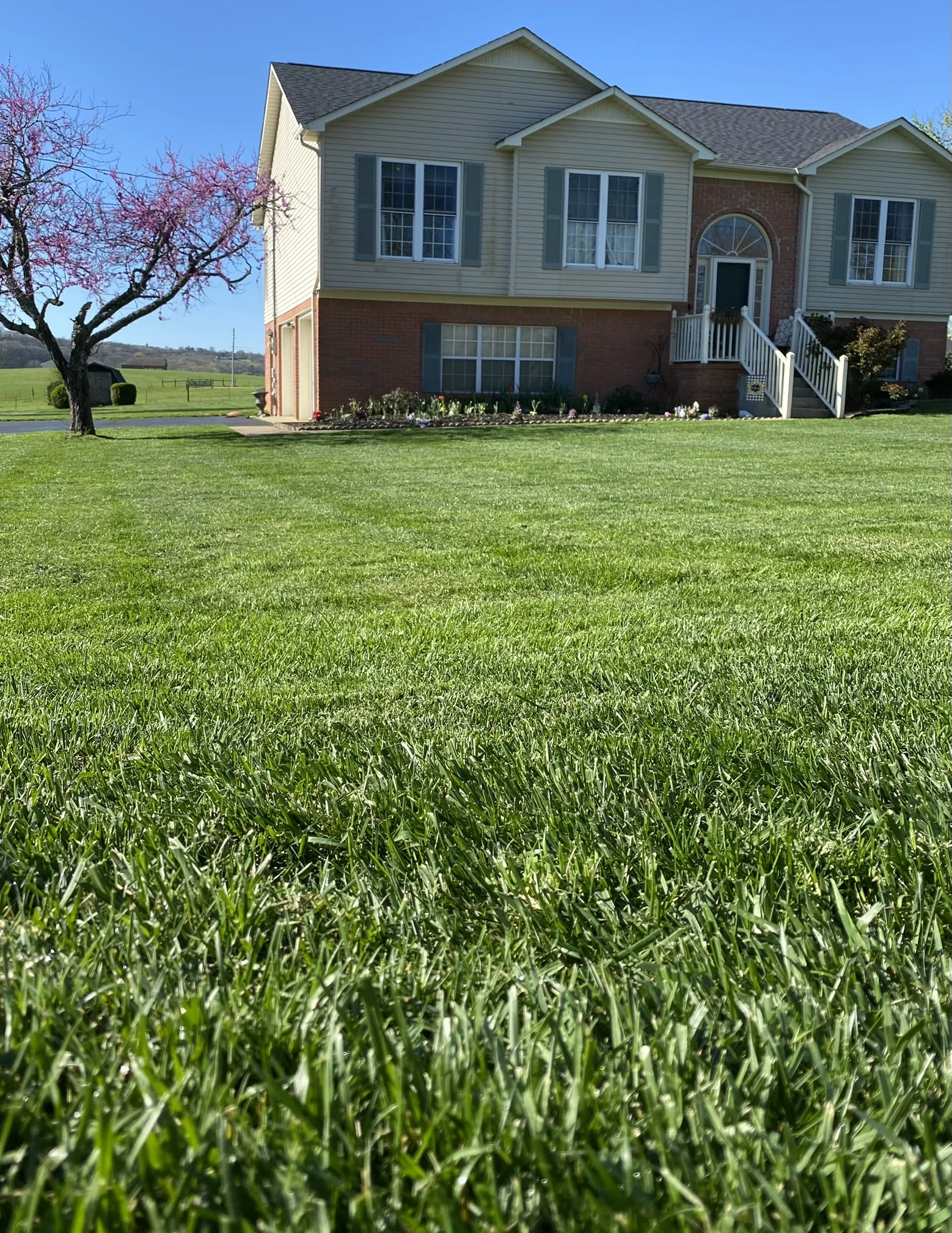
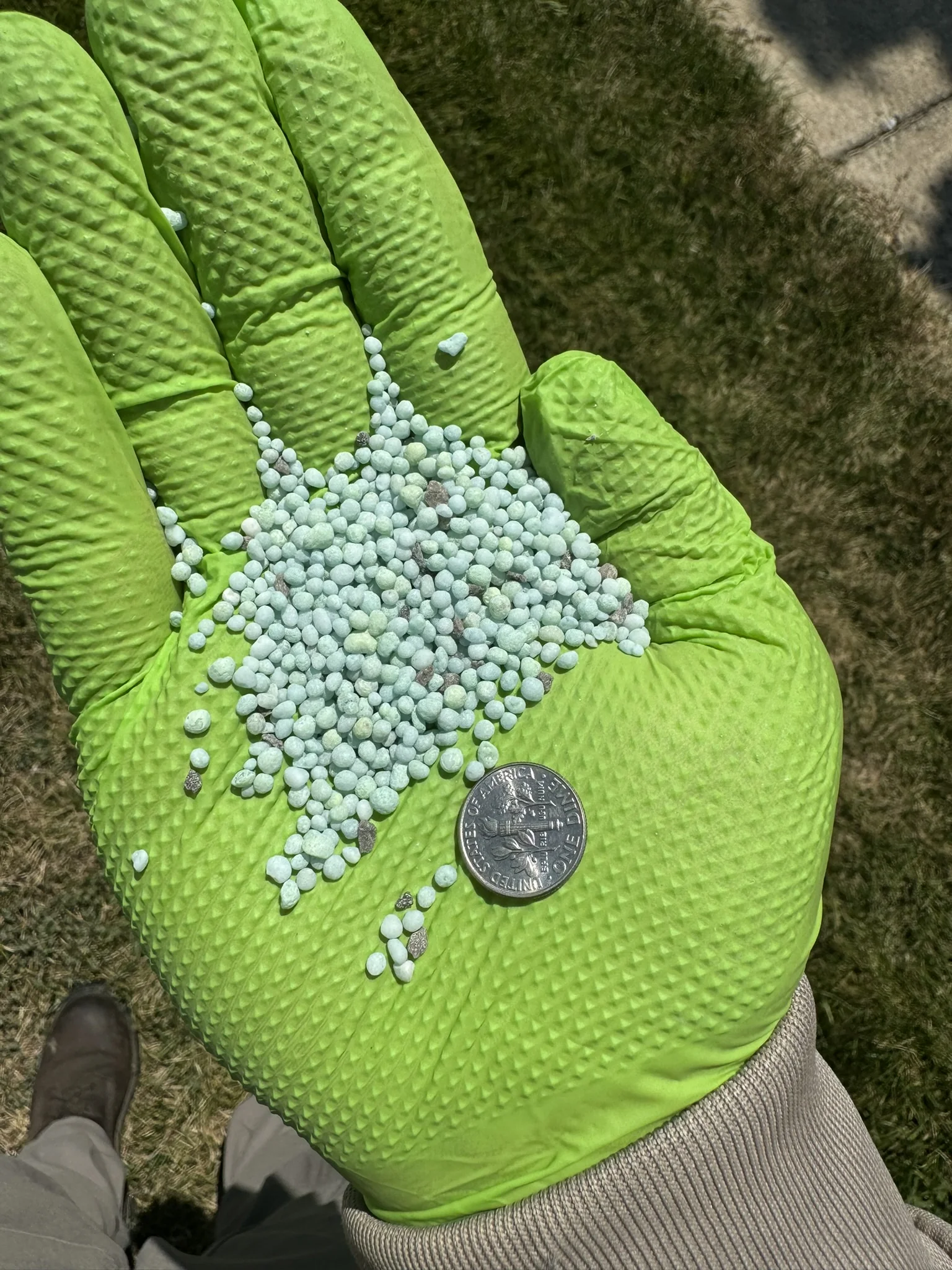
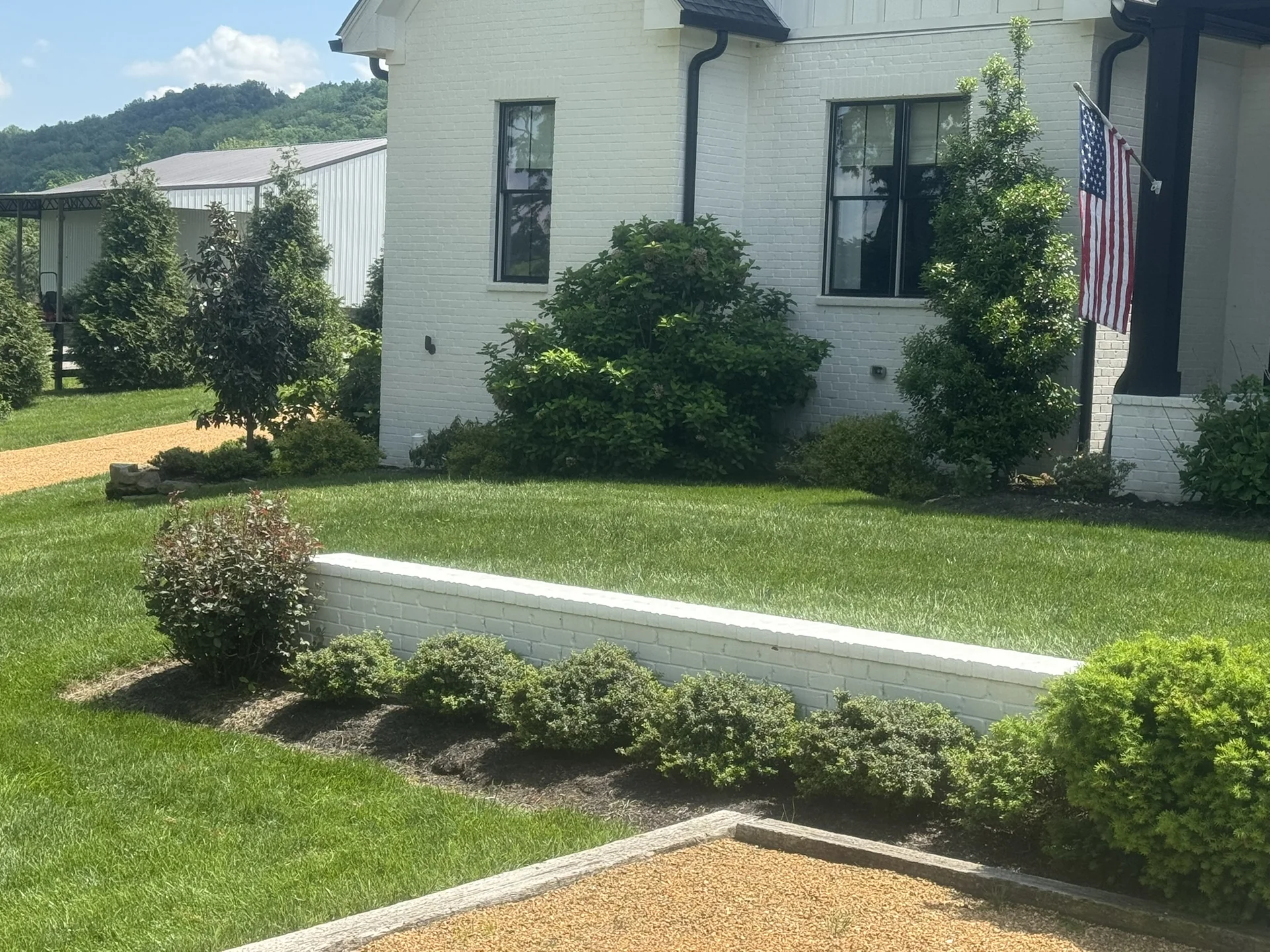
In just one year Mr Lawn has transformed my yard. I trust AJ with my yard. Here are before and after photos.
View on GoogleMarshall County · 8-Visit Annual Plan
Middle Tennessee's UT Certified lawn treatment specialists. 8 visits a year, 4 fungicide rounds included, zero surprise upsells.
Why Lewisburg
Lewisburg sits just far enough off the I-65 track that most treatments in town are done illegally by landscapers throwing down bags of product, the climate still demands fescue-specific, 28-day fungicide chemistry during humidity season.
You’re seeing the same thing every year in Lewisburg. Your lawn looks decent in spring, then by July it’s a patchy mess of brown spots and weeds, despite your efforts. You’ve been told you need to reseed every fall, but you’re tired of that cycle. The problem isn’t your commitment; it’s that standard treatments here miss the one thing your soil and climate demand.
In Lewisburg, you’re fighting more than just weeds. Your property likely borders fields or pasture, constantly introducing new weed seeds like dallisgrass and crabgrass. The traditional approach many folks use, or that landscapers tossing bags offer, focuses only on weeds and fertilizer. They skip the critical component: preventative disease control. In our region’s humidity, especially in established neighborhoods like Westwood or near the Marshall County Courthouse, fungal diseases like brown patch are a guarantee, not a possibility. Without a fungicide program built into your plan, your tall fescue is defenseless. That’s why you’re reseeding every year; the lawn isn’t dying from neglect, it’s dying from untreated disease.
I include full-season fungicide protection in my service plan because the science proves it’s necessary. From May through August, your lawn’s environment is perfect for disease. Nighttime temperatures stay high, and moisture lingers on the grass blade until mid-morning. This isn’t an upsell; it’s essential care. My competitors exclude it from their plans so they can charge you a premium for a curative treatment after the damage is done. My one standard of care includes four preventative applications, starting in May to get ahead of the problem. This is why my clients in areas like Millview or along Mooresville Pike don’t have to reseed annually. Their grass survives the summer.
I bill one flat monthly rate. When I was learning this business, the biggest customer frustration was the unpredictable invoice. My plan eliminates that. You know exactly what you’ll pay each month, making it easy to budget. This also allows me to provide free service calls between our eight scheduled visits if a concern arises, though clients rarely need them because the preventive approach works. My pricing is based solely on your treatable grass area and landscape complexity, not your zip code. A lawn off Ellington Parkway pays the same as one in Pulaski for the same square footage.
Through years of treating lawns across Middle Tennessee, I’ve distilled the service down to the minimum number of visits required to maintain a lawn above a 95% quality rating year-round. With current chemistries, eight is that number. Each visit compounds on the last. What I do for your lawn in the fall directly impacts its health and density the following summer. You’re not paying for eight separate chores; you’re investing in a compounding system of expertise that builds a resilient lawn. You trust a barista to make your coffee, using their expertise on grind and temperature. Trust me to apply the same principle to your lawn.
Middle Tennessee's climate creates a unique set of challenges for fescue lawns. Summer temperatures regularly exceed 90°F with high humidity, creating ideal conditions for brown patch fungus and crabgrass invasion. The heavy clay soils common throughout Maury and Williamson counties compact easily, restricting root growth and water absorption. Our service plan addresses every one of these regional challenges with treatments specifically timed for the Middle Tennessee growing season.
Local Expertise
Lewisburg sits just far enough off the I-65 track that most treatments in town are done illegally by landscapers throwing down bags of product, the climate still demands fescue-specific, 28-day fungicide chemistry during humidity season.
Every Middle Tennessee lawn shares the same core agronomy: subtropical humidity, up to 12 hours of daily dew, and nighttime temperatures over 75°F that turn the turf into a fungal breeding ground from May through August. The best fungicide chemistries only last 28 days, which is why we run a strict 28-day cycle from May through August instead of the one-off reactive treatments most companies sell as expensive add-ons.
Your Lewisburg lawn gets the full 8-visit rhythm, the included 28-day fungicide program, and included grub and armyworm protection, but the chemistry is built around your soil test at signup. Your Lewisburg property might need ammonium sulfate where a Spring Hill new-build needs urea, different herbicide selection, and rates matched to your turf. Same 8 visits, different inputs, same beautiful outcome.
Real Results
Drag the slider to see what a full year of Mr. Lawn Care looks like on a real Middle Tennessee property.
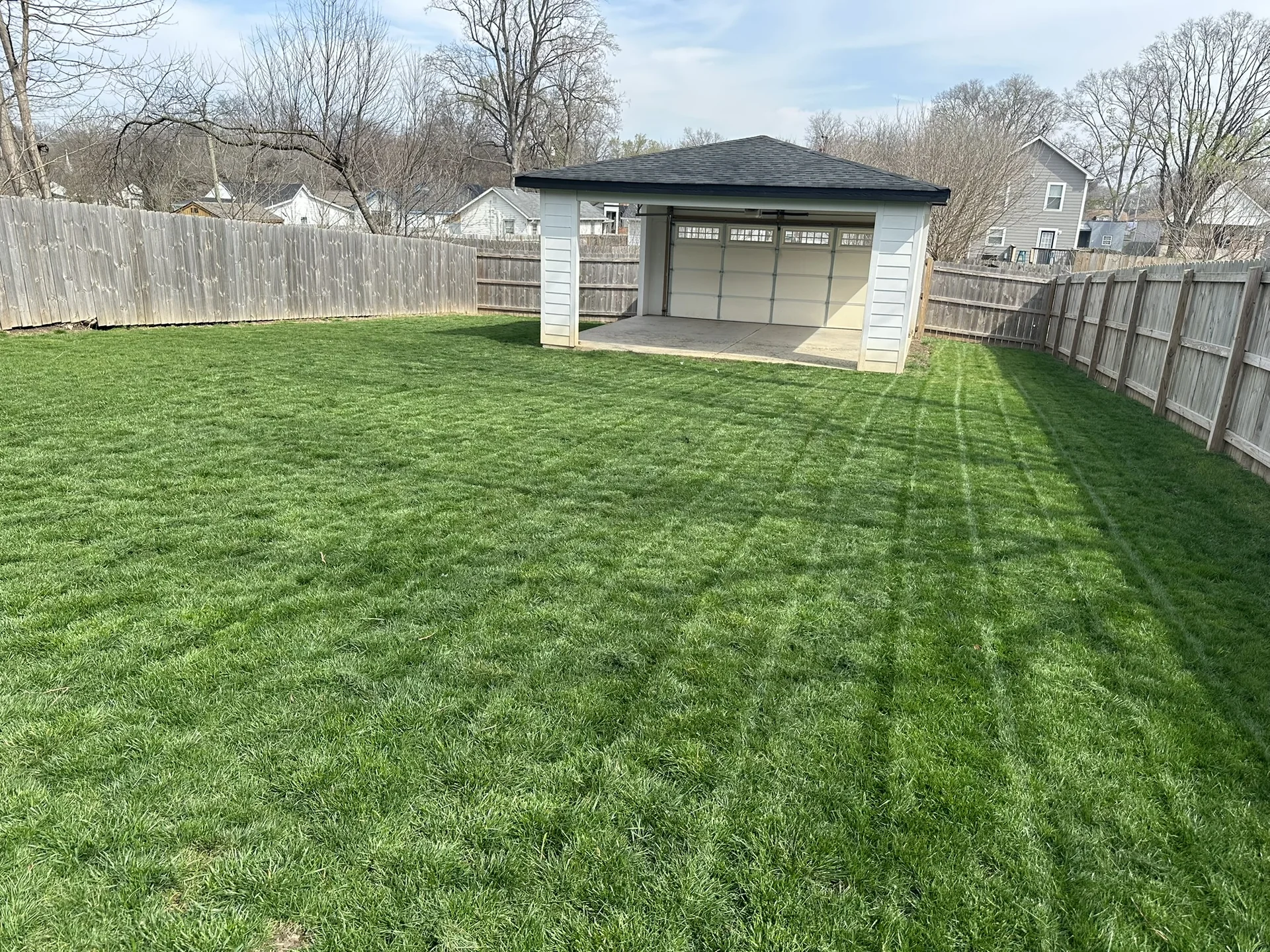
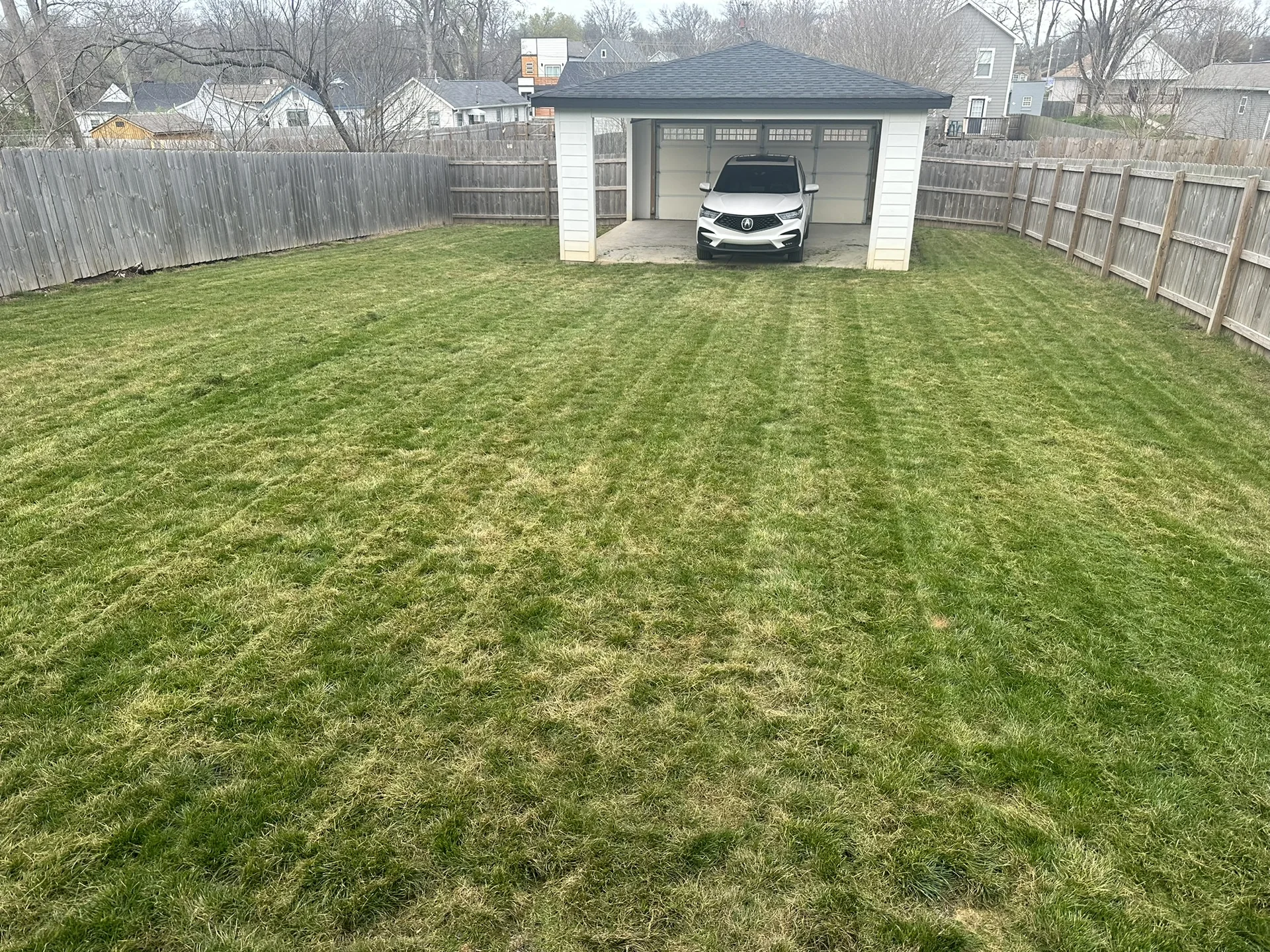
Back yard fescue recovery
What's Actually Included
Calling this "four services" would undersell it. Your Lewisburg plan covers every category of threat a Middle Tennessee lawn faces, timed across 8 visits because that's what the transition zone demands.
Quick Nav
Every Lewisburg lawn gets the same comprehensive coverage, but with inputs and rates tuned to YOUR soil test. What changes is the chemistry selection, not the level of care.
Your 8-Visit Annual Plan
Every visit is timed to Middle Tennessee's climate using historical weather data, not a generic calendar.
February – early March
Pre-emergent pass 1 + granular spring fertilizer + winter weed cleanup
You'll see: Pre-emergent pass 1 locks the summer-weed gate. Granular spring fertilizer wakes the fescue without pushing too hard, we save the heavy nitrogen for fall where it matters most. Any leftover winter weeds get cleaned up.
Late March – April
Pre-emergent booster (liquid) + granular fertilizer + post-emergent spot treatment
You'll see: Pre-emergent booster (liquid) backs up the first pass through the critical March 15th emergence window. Granular fertilizer continues the measured spring push. Any early summer annuals that broke through get post-emergent spot treatment.
May
Fungicide round 1 (propiconazole) + summer weed control
You'll see: Propiconazole suppresses brown patch heading into the fungal pressure window AND hits Bermuda, wild violets, and early dallisgrass invasion. Summer annual weed control (crabgrass, goosegrass, nutsedge) rides along.
June
Fungicide round 2 (28-day cycle) + perennial grassy weed suppression
You'll see: The 28-day cycle continues because Middle TN dew keeps turf wet 12 hours a day. Perennial grassy weeds, Johnson grass, dallisgrass, common bermuda, get weakened while they're actively growing in the heat.
July
Fungicide round 3 + foliar liquid fertilizer (iron + peptides) + grub and armyworm watch
You'll see: Peak dew plus heat means peak disease pressure. A foliar-applied liquid fertilizer, chelated iron for color without forcing growth, peptides for stress recovery, a touch of slow-delivery nitrogen. Grub and armyworm activity monitored. Protection is included standard, not an add-on.
August
Fungicide round 4 + foliar liquid fertilizer + seeding quotes issued
You'll see: Last scheduled fungicide round of the summer. Foliar liquid fertilizer (iron + peptides + touch of N) keeps color through the worst stress window. Seeding quotes go out to fall customers. Common Bermuda invasion gets suppression treatment.
September – October
100% slow-release fall fertilizer + seed-safe weed control; seeding visit if signed up
You'll see: 100% slow-release fall fertilizer, this is the visit that sets up next year. Seed-safe pre- and post-emergent weed control. Poa annua control starts here, hit early before it overwinters and sets seed. If you signed up for core aeration + overseeding, that work happens on this visit with gold-tag-certified turf-type tall fescue.
November – December
Instant-release fall fertilizer + winter-annual weed kill
You'll see: Instant-release fall fertilizer, carbohydrates go into the root system before dormancy, not top-growth. Winter annuals (chickweed, henbit, hairy bittercress) eliminated before they set seed. This is the real kill shot on overwintering weeds.
Optional Add-Ons
Standalone services available whether or not you're on the 8-visit plan. No dollar amounts shown here on purpose, every quote is custom.
Least-aggressive way to create seed-to-soil contact, paired with liquid aeration for faster germination.
Learn MorePremium turf-type tall fescue varieties selected for Middle Tennessee, done in the fall window after August quotes.
Learn MoreProven trapping methods to remove active moles and protect your lawn from surface-tunnel damage.
Learn MoreBarrier treatments timed to Middle Tennessee pest season so you can actually use your outdoor living space.
Learn MoreEstablish a thick lawn quickly and cost-effectively on new construction and bare soil lots.
Learn MoreIn Lewisburg’s climate, fungal disease is inevitable on cool-season grasses like tall fescue. Your neighbor might be on a chemical rollercoaster, treating the visible damage after their lawn turns brown, which is more costly and less effective. My program prevents the damage from happening in the first place, which is why my clients don’t have to reseed every single fall.
Based on thousands of soil samples I’ve reviewed from this area, lime is almost never needed in Middle Tennessee soils. In fact, it can harm your lawn. Many companies include it because it’s a cheap bulk product that sounds good. My program uses only what your soil test proves is necessary, saving you money on an unneeded service.
You call me. Free service calls are included in your plan. I’ll come out, diagnose it, and handle it at no extra charge. However, because the plan is built on prevention, these calls are extremely rare. We stop most problems before you’d ever see them.
Most big-box store products contain 2,4-D. The legal limit is two full applications per year, but homeowners often apply it four or five times unknowingly by using different products. Beyond the legal issue, the residue reactivates with morning dew for days after, tracking onto shoes and pet paws. It’s a health risk and an agronomic mistake.
Get a free quote for the 8-visit annual plan. No contracts, no surprise upsells, no credit card fees.
T.O.
Lewisburg, TN
In just one year Mr Lawn has transformed my yard. I trust AJ with my yard. Here are before and after photos.
View on GoogleS.B.
Spring Hill, TN
AJ is wonderful. We are so happy that we chose him to do our yard. We now have carpet grass instead of weeds and dirt. After trying to create a carpet of grass for 14 years and failing, We hired AJ (Mr. Lawn). He tested… Read S.B.'s full review
View on GoogleK.M.
Columbia, TN
Mr. Lawn care in Columbia he's been with us about five months and the lawn has never looked so great. I want to thank Him and his lawn care abilities trust me, I used to do my large lawn for almost 20 years back then… Read K.M.'s full review
View on GoogleJ.L.
Franklin, TN
AJ is not just a 'lawn service'. He is a teacher who is customer friendly and always communicates well. Our lawn went from weed patch to beautiful in two short years. I would highly recommend using this service!
View on GoogleB.M.
Spring Hill, TN
Mr Lawn was hired to restore our lawn, killed by our previous service. He has been successful. His earth friendly quality products, personalized attention to the needs of our yard, knowledge (he will discuss the… Read B.M.'s full review
View on GoogleK.D.
Franklin, TN
A year ago our lawn was full of weeds and crabgrass. A.J. has done a wonderful job of restoring our lawn to a nice green beautiful lawn.
View on GoogleActual photos from lawns we treat in Lewisburg and surrounding Middle Tennessee areas.