UT Certified Lawn Care Professional Tennessee Turfgrass Association Member Turfgrass Water Conservation Alliance Member Nextdoor Neighborhood Favorite BBB A+ Accredited
⚠️ Abiotic Disorder

Tree Root Girdling

N/A

Tree Root Girdling (N/A) — abiotic disorder in Middle Tennessee
Tree Root Girdling — photo 2

About Tree Root Girdling

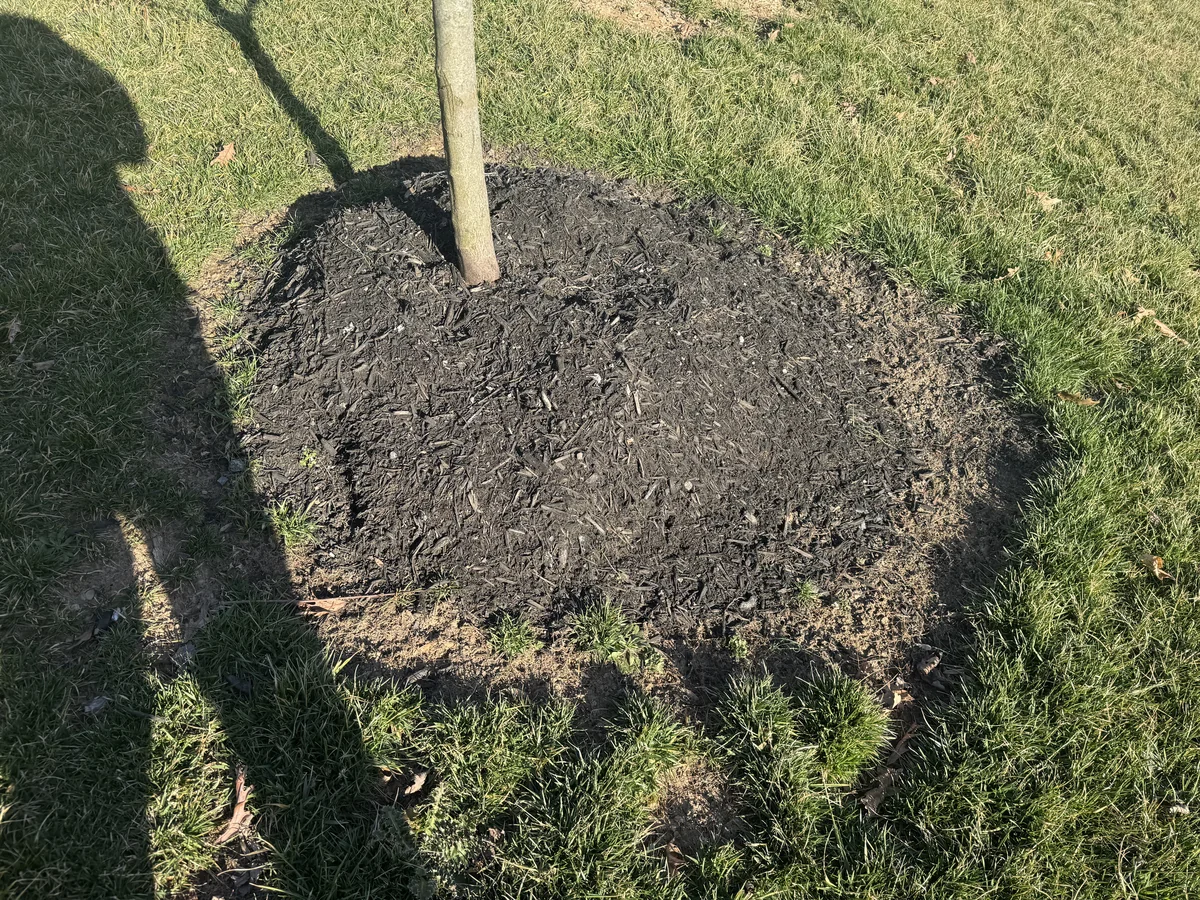
Tree Root Girdling (also called "mulch volcano" damage) occurs when mulch is piled high against the trunk covering the root collar and root flare. The trapped moisture softens the bark and forces roots to grow upward into the mulch instead of outward into the soil. Those adventitious roots encircle the trunk and slowly strangle the tree as it thickens with age. In Middle Tennessee landscapes this is one of the most common preventable causes of tree decline — AJ sees it on almost every job site with newer landscaping. Pull mulch back two to three inches from the trunk, expose the root flare, and keep the mulch donut shallow (two inches max).

Tree Root Girdling (N/A) is an abiotic disorder — a non-living, environmental cause of plant damage — commonly encountered in Middle Tennessee, including Columbia, Thompson's Station, Spring Hill, and the surrounding areas. This entry is part of our Abiotic Disorders Library.

Unlike diseases caused by fungi or bacteria, abiotic disorders cannot be treated with pesticides. Correct diagnosis is essential — our UT Certified Lawn Care Professional can evaluate your lawn or landscape and recommend the right corrective action.

Quick Facts

Common Name
Tree Root Girdling
Scientific Name
N/A
Type
Abiotic Disorder (Non-Living Cause)
Region
Middle Tennessee

Need Help With Tree Root Girdling?

Our UT Certified lawn care team handles tree root girdling and other abiotic disorders across Middle Tennessee. Professional treatment with the right chemistry, timing, and expertise.

Learn About Our Lawn Care Plan

Ready for a Healthier Lawn?

Get a free, no-obligation quote from our UT Certified lawn care specialists. We serve the entire I-65 corridor from Pulaski to Belle Meade.