Disease Control for Columbia Homeowners
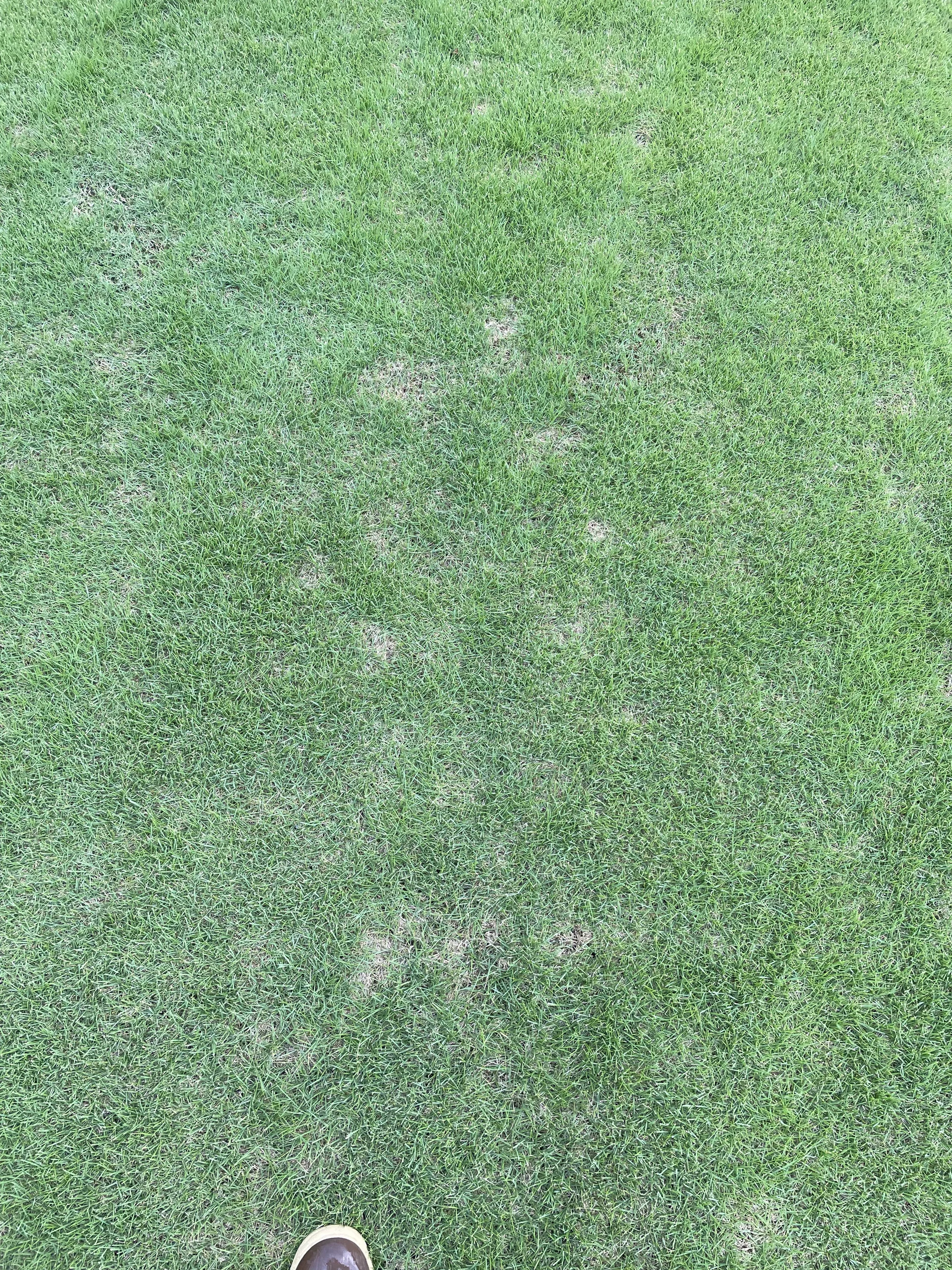
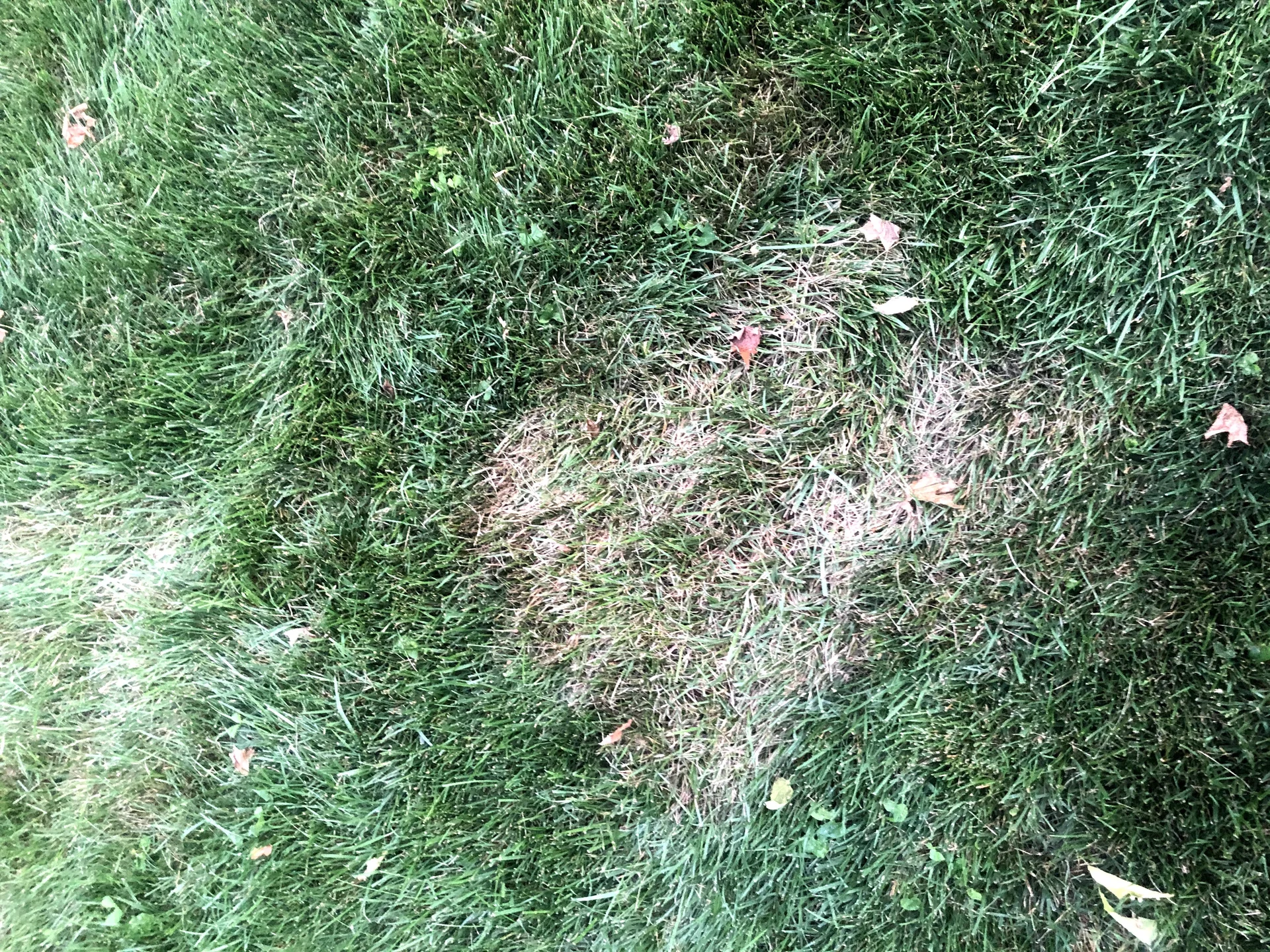
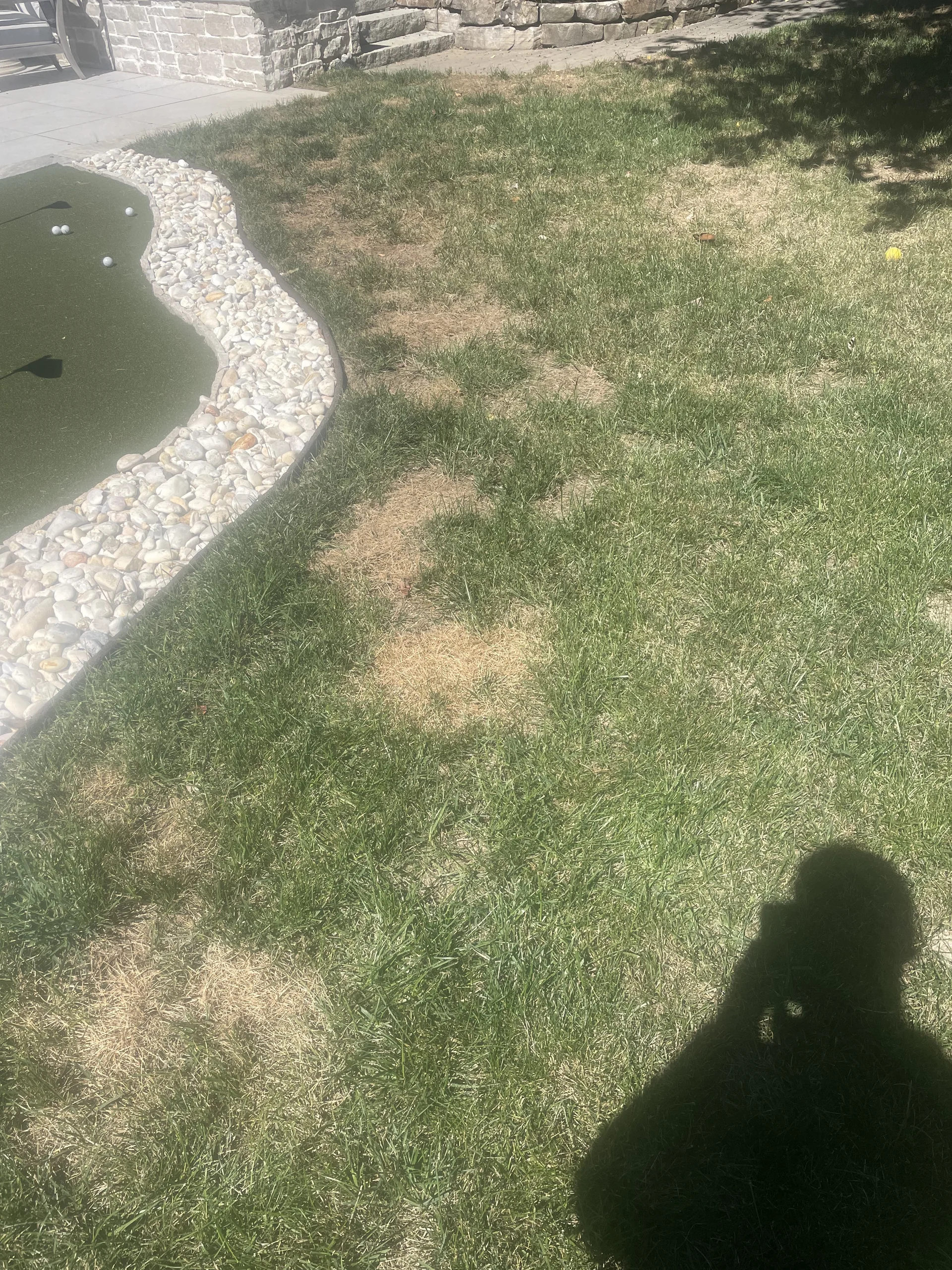
If you live in Columbia, you have likely watched your lawn turn into a patchwork of brown, dead circles just as the summer heat settles in. Most homeowners here assume it is just the heat or a lack of water, but in our humid climate, that is almost always a mistake that makes the problem much worse.
When your grass starts to thin out near the historic square or out in the newer subdivisions like those near the Maury County Park, your first instinct might be to reach for the hose. In Columbia, with our subtropical humidity, that is often the exact wrong move. When nighttime temperatures climb above 75 degrees and the air stays heavy, your lawn stays soaked with dew long after the sun comes up. If you add extra irrigation on top of that, you are essentially building a nursery for fungal disease.
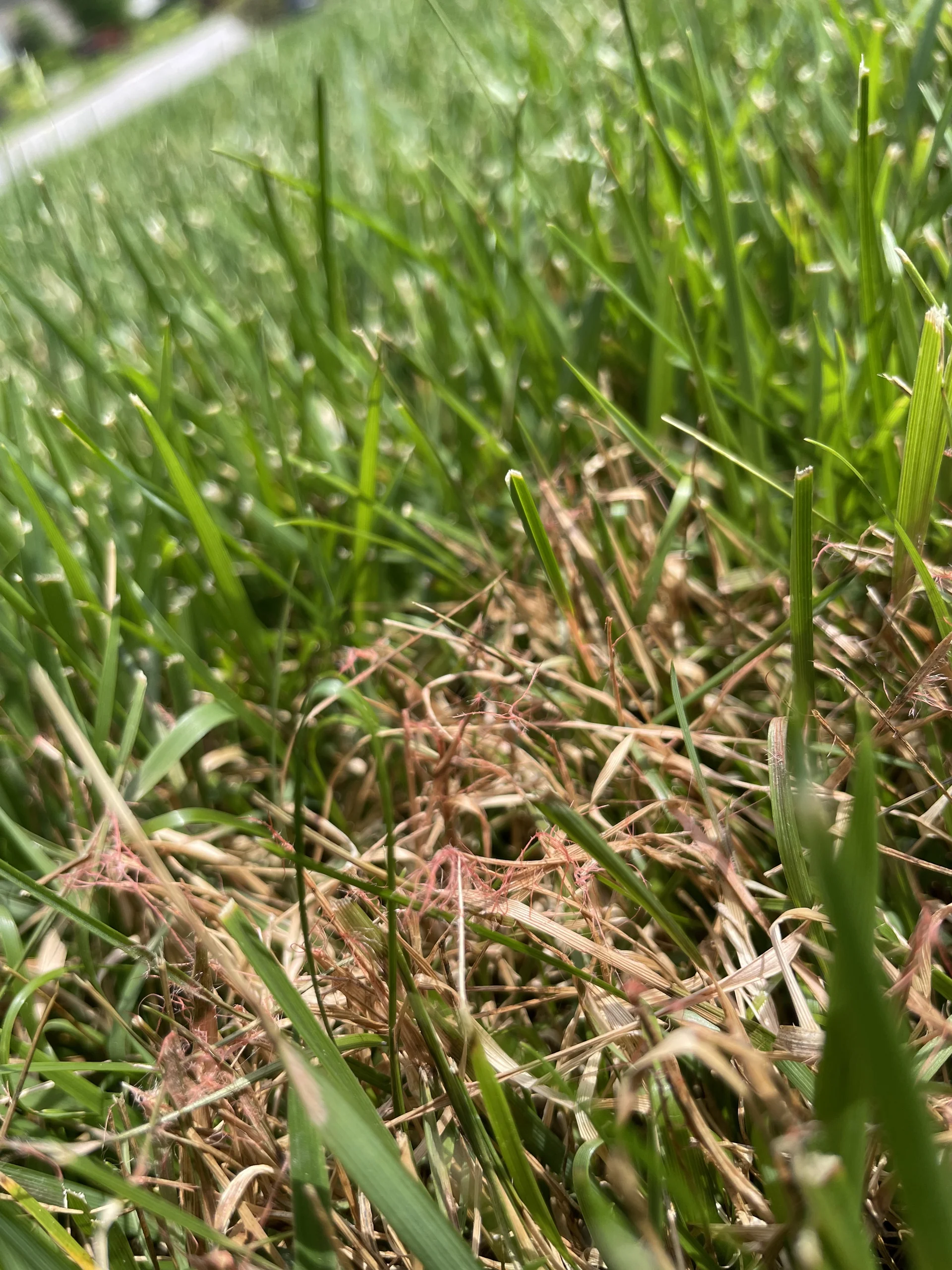
Most people in neighborhoods like West Seventh or the established areas near the Polk Home think they are dealing with drought or heat stress. They water more, which only increases the moisture on the plant, fuels spore production, and spreads the infection downhill as water moves across the surface. By the time you notice big circles of brown, dead grass, the fungus has often been active for weeks. Many local companies ignore this until the damage is done, then try to sell you an expensive, last-minute curative treatment. I consider that approach both unethical and a violation of label law. Fungal disease is not an occasional surprise; it is a constant threat in Middle Tennessee. If your lawn is spending all its energy fighting off disease, it has nothing left to handle the stress of our summer sun, foot traffic from backyard barbecues, or the occasional mowing mistake.
Because the city is moving forward with the Duck River water project, we are all facing significant water rate increases. You simply cannot afford to have a lawn that requires excessive irrigation just to survive. That is why I do not offer a low-tier plan that skips fungicide. Every single one of my customers receives consistent, preventive protection. We start in May, before the damage begins, because the label directs us to act preventively, not reactively. If we wait until June or July to start treatment, we are already behind. By keeping disease levels at zero, your lawn becomes dramatically more drought-tolerant. It can handle the heat of a Columbia July because it is not exhausted from fighting off a fungal infection. I provide a flat-rate service that handles this for you so you do not have to guess what your lawn needs every month.
Why Disease Control Matters in Columbia
Middle Tennessee's transition zone climate—characterized by hot, humid summers and heavy overnight dew—creates extreme fungal pressure for cool-season grasses like fescue. Brown patch thrives in these exact conditions. A preventive fungicide program is not a luxury here; it is a necessity for maintaining a thick, healthy fescue lawn through the summer months.
What's Included in Our Disease Control for Columbia
- ✓Disease identification and assessment
- ✓Preventive fungicide applications
- ✓Curative treatments for active infections
- ✓Cultural practice recommendations
- ✓Application timing based on weather conditions
Columbia Neighborhoods We Serve
We provide lawn disease & fungus control to all Columbia neighborhoods, including:
AntrimArden VillageArmstrong MeadowsAutumn RidgeBradford PlaceCamelotCarter's Creek StationClaremontSagewood EstatesShenandoahCountry Valley EstatesCreekstoneCriddle MeadowsRiversideFox Run+6 more