Disease Control for College Grove Homeowners
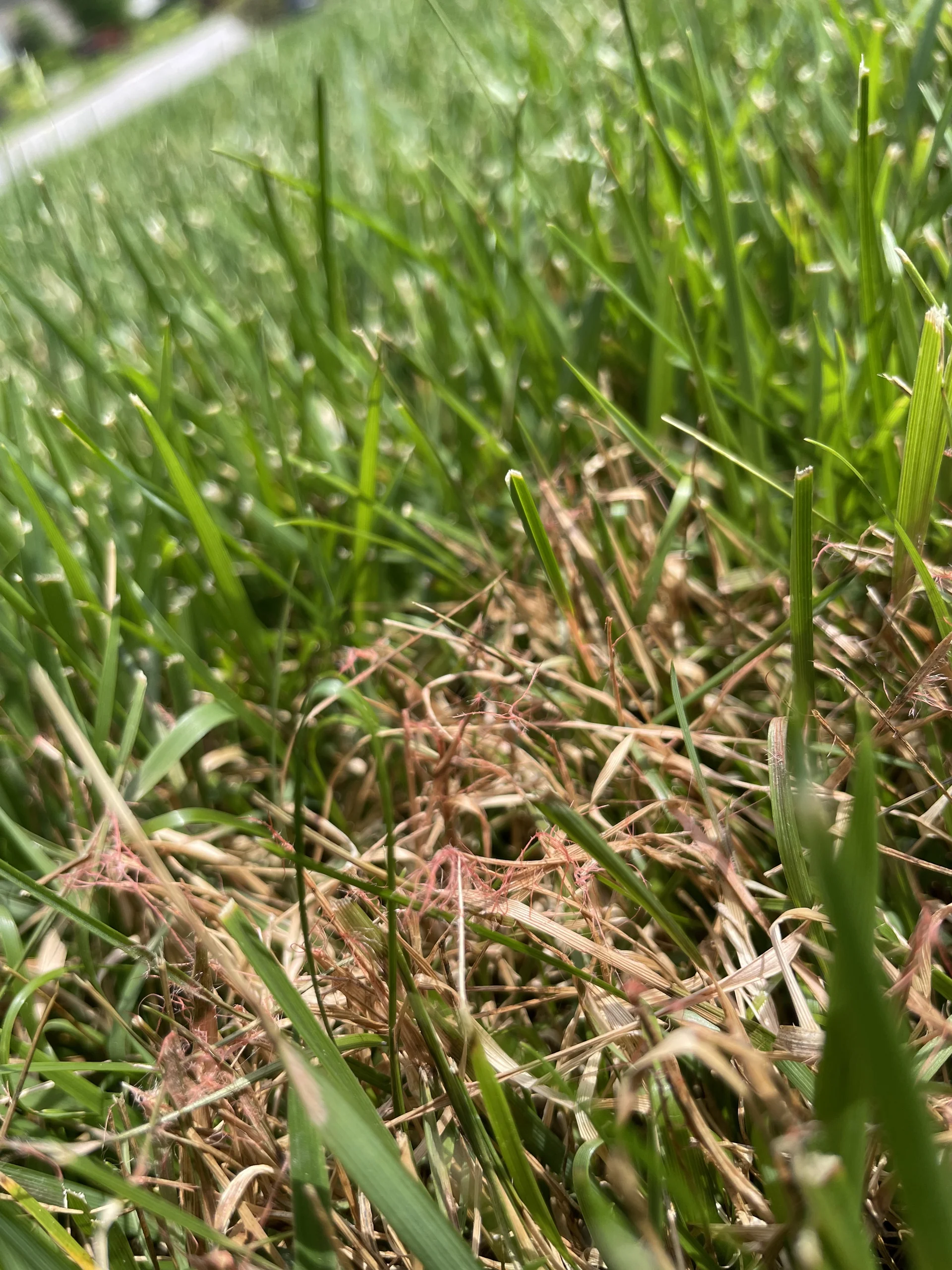
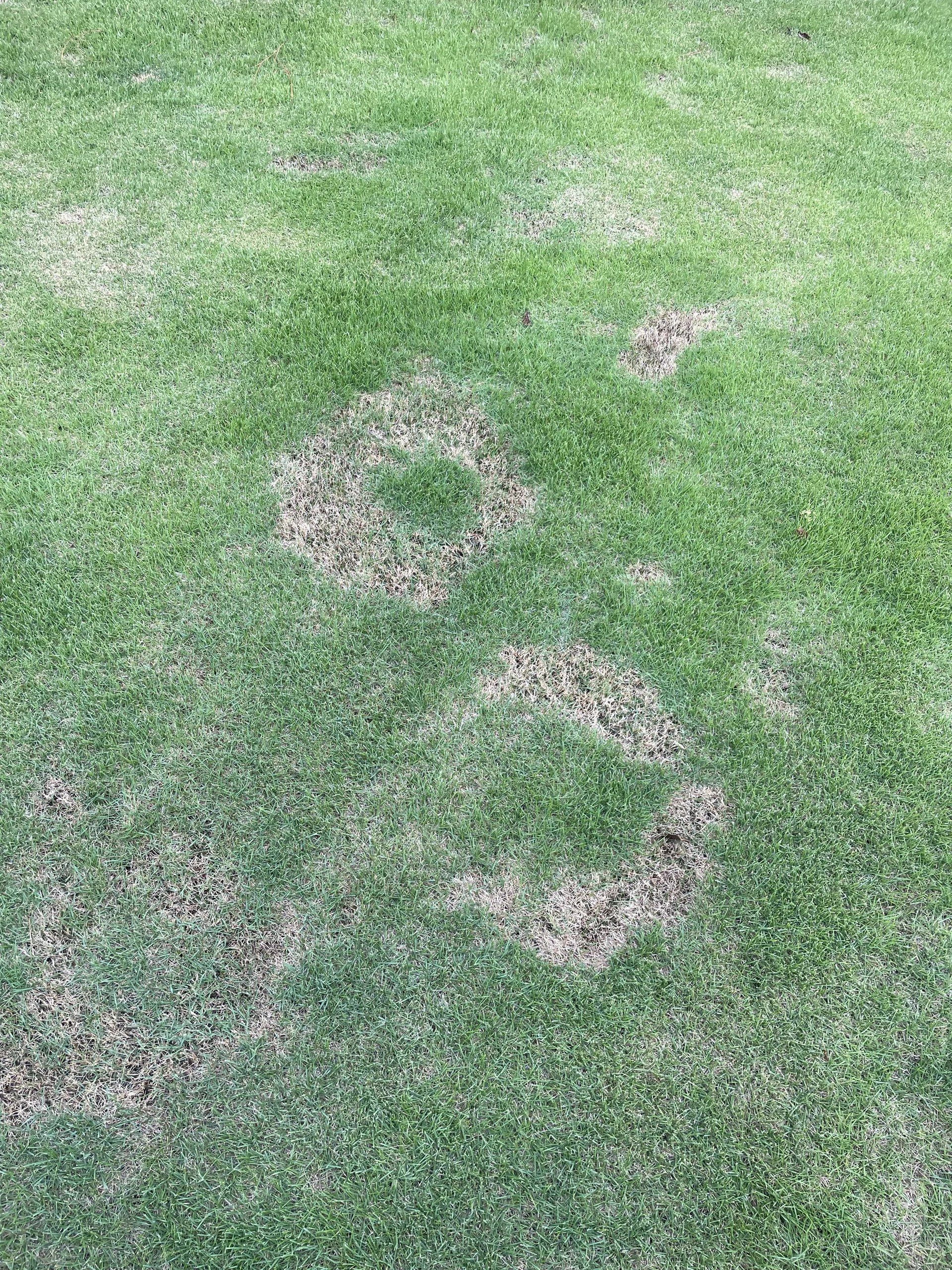
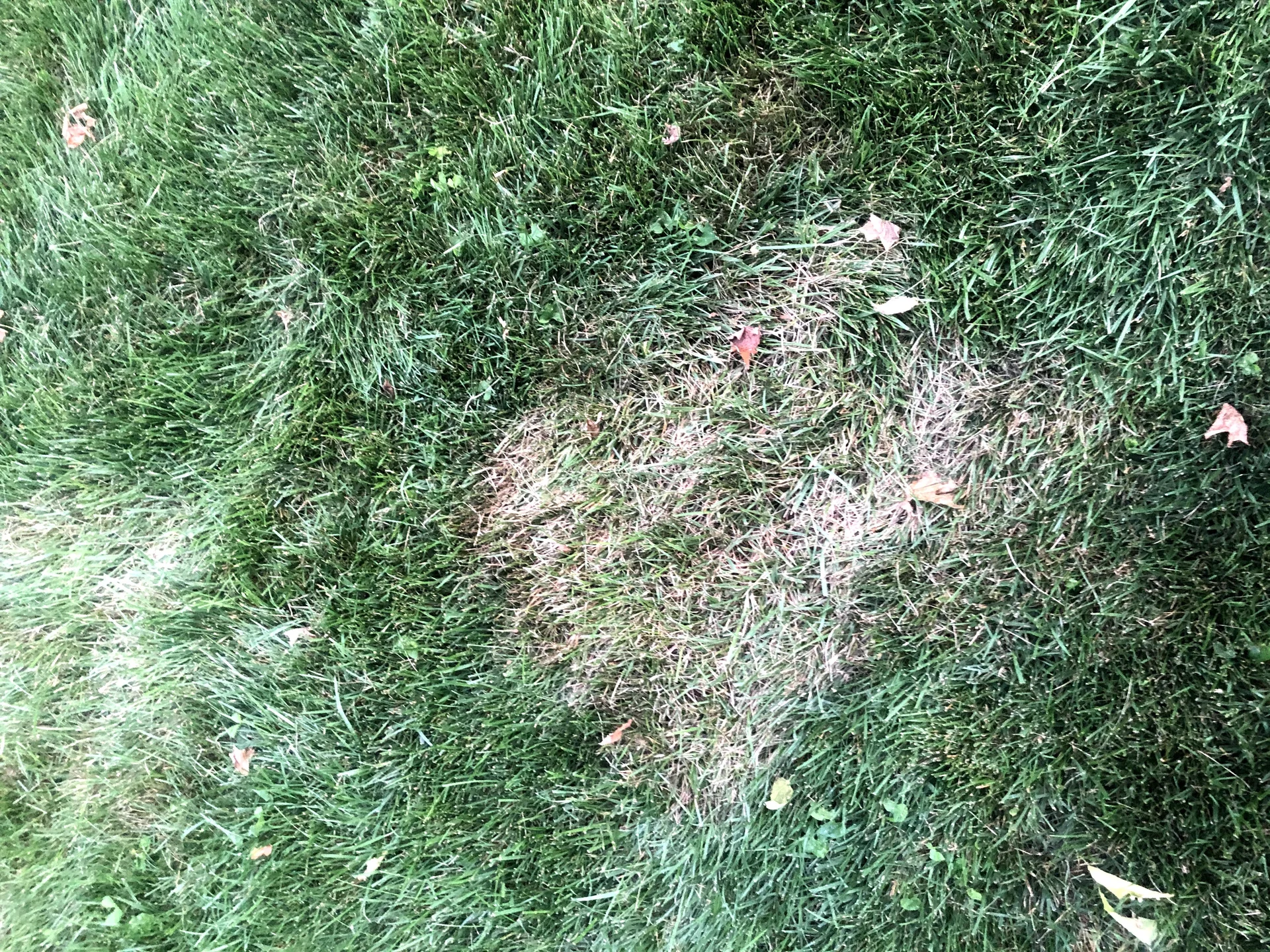
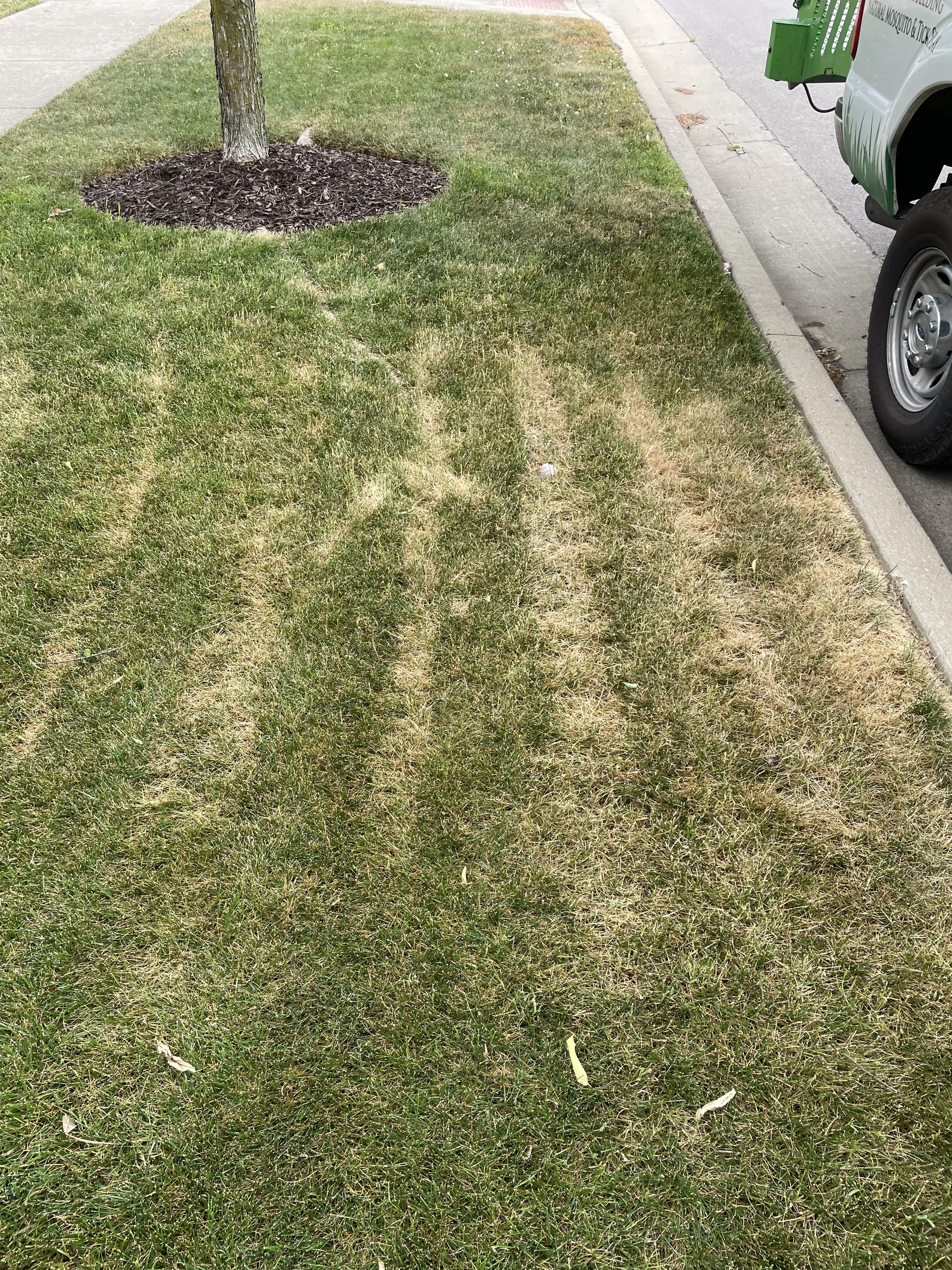
If you live in College Grove and notice large circles of dead grass appearing as the summer heat intensifies, you are likely dealing with fungal disease rather than just heat or drought stress. Many homeowners in newer developments along the I-65 corridor or near the historic village area mistakenly water more when they see this browning, which only accelerates the spread of infection throughout your lawn.
When summer temperatures climb above 95 degrees, your lawn faces a gauntlet of stressors. You might have gravel mixed into the soil from construction, shallow root zones, or mechanical damage from mowing too short. But the factor that ultimately causes your fescue to collapse in July is almost always fungal disease. Most homeowners do not recognize this because nobody ever taught them what it looks like. They assume it is just the heat, so they add more water. Unfortunately, that makes the situation worse. In our local climate, grass stays wet with dew until mid-morning every single day, and when you add irrigation to that cycle, you are essentially creating a perfect laboratory for spore production.
Those spores spread quickly. They move when a mower passes over an infected patch, when water runs downhill after a storm, or even when one blade of grass brushes against another in the wind. By the time you see the big circles of dead, brown turf, the disease is already well established. Most lawn companies treat this as an upsell, waiting until the damage is obvious before asking you to pay double for a special treatment. That is not how I operate. I am a UT Certified Horticulturist, and I know that the chemical labels require these products to be used preventively to be effective and legal. If you wait until June to start treating for brown patch, you are already behind. I start my fungicide applications in May, before the damage begins.
When a plant is constantly fighting off a fungal infection, it has almost no resources left to handle the other stresses of a Middle Tennessee summer. By removing that disease burden from the equation, your lawn becomes significantly more drought tolerant. It can handle the heat on those shallow, gravelly estate lots and survive the heavy foot traffic from your family playing in the yard. My service includes fungicides in every single monthly visit because you cannot have a healthy lawn in College Grove without them. There is no lower tier and no secret upsell. We simply apply the correct chemistry at the right time to stop the disease before it ruins your investment, allowing your grass to spend its energy on growing deep roots instead of fighting off infection.
Why Disease Control Matters in College Grove
Middle Tennessee's transition zone climate—characterized by hot, humid summers and heavy overnight dew—creates extreme fungal pressure for cool-season grasses like fescue. Brown patch thrives in these exact conditions. A preventive fungicide program is not a luxury here; it is a necessity for maintaining a thick, healthy fescue lawn through the summer months.
What's Included in Our Disease Control for College Grove
- ✓Disease identification and assessment
- ✓Preventive fungicide applications
- ✓Curative treatments for active infections
- ✓Cultural practice recommendations
- ✓Application timing based on weather conditions
College Grove Neighborhoods We Serve
We provide lawn disease & fungus control to all College Grove neighborhoods, including:
The GroveTroubadour Golf & Field ClubFalls GroveMcDaniel EstatesVineyard ValleyHigh Valley