Crape Myrtle Aphid
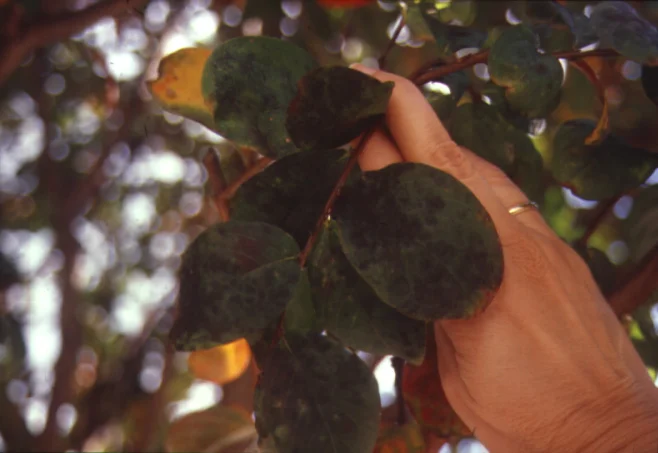
Sooty mold
About Crape Myrtle Aphid
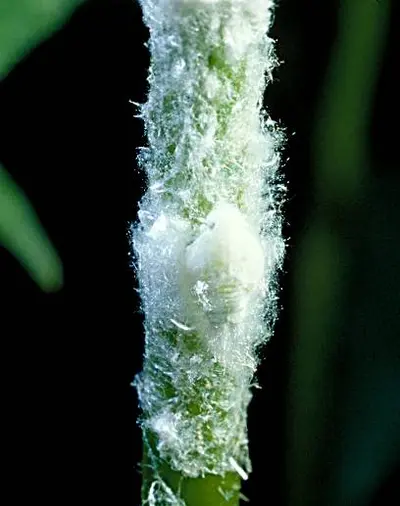
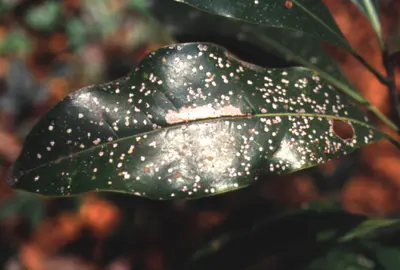
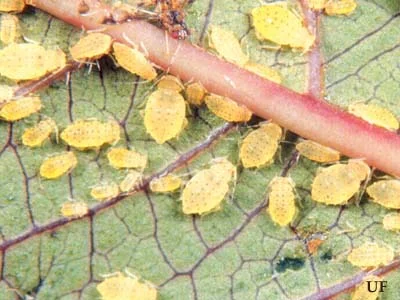
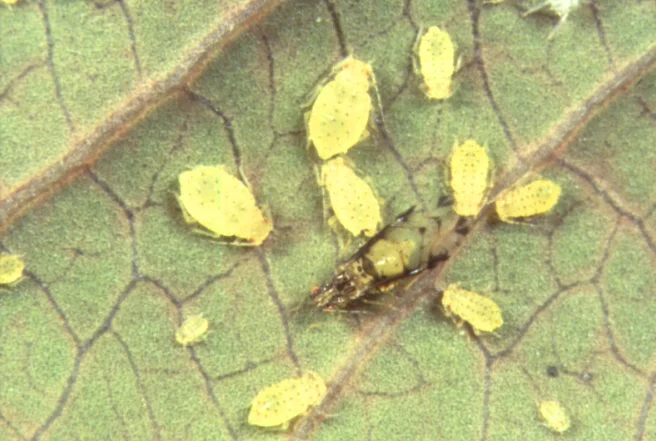
Tiny yellow aphids feed on the sap of crape myrtle leaves and stems, excreting honeydew that encourages sooty mold growth, which appears as a black, powdery coating. This mold reduces photosynthesis, weakening the plant and detracting from its vibrant blooms, commonly seen in Middle Tennessee areas like Franklin and Brentwood. Managing aphid populations early helps protect your crape myrtles’ health and appearance.
Crape Myrtle Aphid (Sooty mold) is a landscape pest commonly found in Middle Tennessee, including Columbia, Thompson's Station, Spring Hill, and the surrounding areas. This entry is part of our Landscape Pests identification guide.
As lawn care and treatment specialists, we encounter Crape Myrtle Aphid regularly when servicing properties across the region. Proper identification is the first step toward effective pest management that protects both your turf and your landscape plantings.
Quick Facts
- Common Name
- Crape Myrtle Aphid
- Scientific Name
- Sooty mold
- Category
- Landscape Pest
- Region
- Middle Tennessee