
Fire Ants
Imported fire ant species, identification, biology, and control methods for Middle Tennessee. Browse 62 entries in our identification guide.
Anne-Marie Callcott---USDA-APHIS
David Oi----USDA-ARS Roberto Pereira---USDA-ARS Sanford Porter---USDA-ARS Bart Drees---Texas A&M University Walter Tschinkel-Florida State Univ.– his...
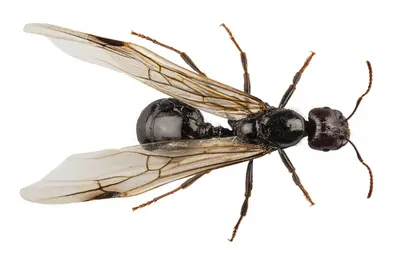
Ant
Small but aggressive, fire ants (Solenopsis invicta) are reddish-brown insects known for their painful stings and large, visible mounds in lawns and g...
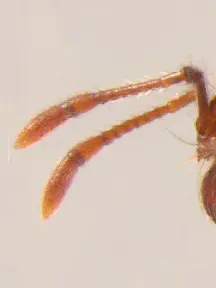
Ant Antennaae
These small reddish-brown insects are known for their painful stings and aggressive behavior, commonly building large mound nests in sunny areas of la...
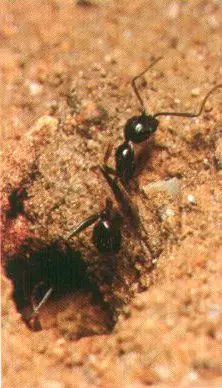
Ant Biology
Feeding and Nutrition Eat many different kinds of
These small, reddish-brown insects are notorious for their aggressive behavior and painful stings, commonly found in Middle Tennessee lawns like those...
Ant Management
Identify the ant. Find out where the queen ant is
Fire ants (Solenopsis invicta) are aggressive pests with reddish bodies and a painful sting, commonly found around lawns and gardens in Middle Tenness...
Ant Summary
These small, reddish-brown fire ants (Solenopsis invicta) are aggressive pests known for their painful stings and fast-moving colonies. They build dis...
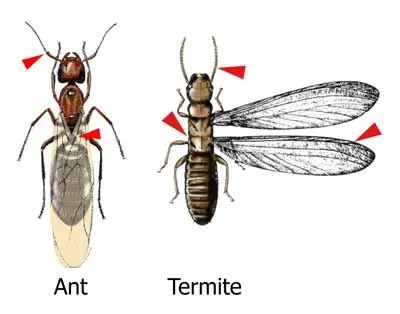
Ant Termite Comparison
Fire ants (Solenopsis invicta) are reddish-brown insects known for their aggressive behavior and painful stings, commonly found in lawns and gardens a...
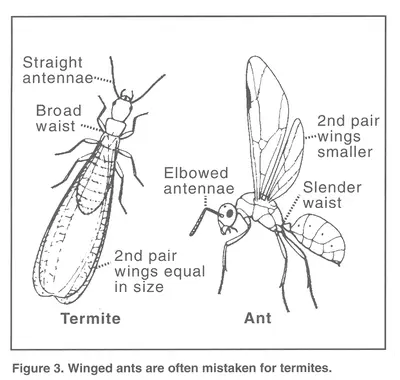
Ants
Small, reddish-brown fire ants (Solenopsis invicta) are notorious for their painful stings and aggressive behavior, often forming large mounds in lawn...

Buenos Aires, Argentina
This aggressive fire ant species, native to South America, is characterized by its reddish-brown color and painful sting that can cause allergic react...
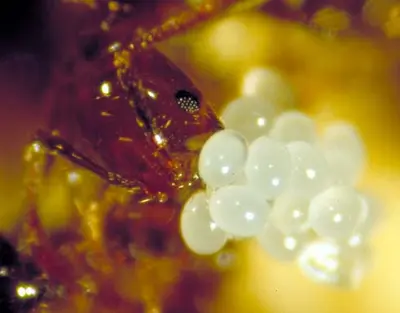
Colony Formation
New colonies are founded by newly mated females (queens).
New fire ant colonies in Middle Tennessee, including areas like Columbia and Franklin, are established when newly mated queen ants start a nest. These...
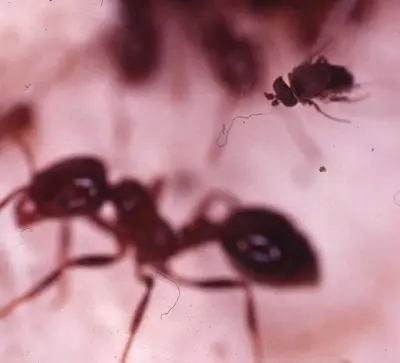
Control Agents for Fire Ants
Thelohania solenopsae
Two Self-Sustaining Biological Pseudacteon...
Culpepper 1953*
Infested Counties – ca 1953 17,768,669 acres * Compiled from surveys conducted by USDA personnel between 1949-1953 Partially Infested Nursery Infested...
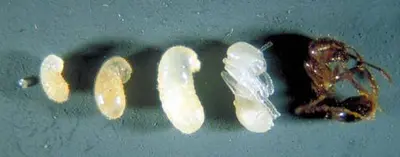
Development
Worker immature and mature stages
Worker fire ants (Solenopsis invicta) progress through distinct immature stages—egg, larva, and pupa—before emerging as mature adults. These workers a...
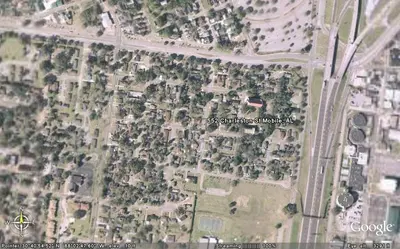
E.O. Wilson’s discovery in May,1942
In May 1942, a young E.O. Wilson made a groundbreaking discovery while studying fire ants (Solenopsis invicta), observing their complex social behavio...
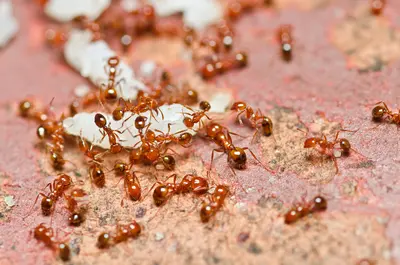
Fire Ant
These aggressive red ants measure about 1/8 to 1/4 inch long and build distinctive mound-shaped nests in sunny areas of lawns and gardens. Fire ants d...
Fire Ant Control Today
Broadcast bait applications
Broadcast granular materials Individual mound treatments Combination of broadcast baits and individual mound treatments Barrier treatments around stru...
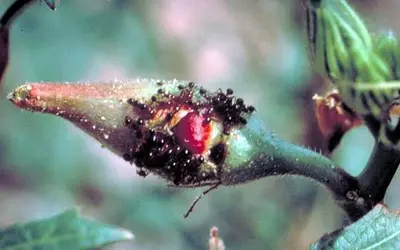
Food Sources
Fire ants eat a
Fire ants (Solenopsis invicta) are attracted to a wide variety of food sources, including proteins, sugars, and greasy substances, making them a commo...
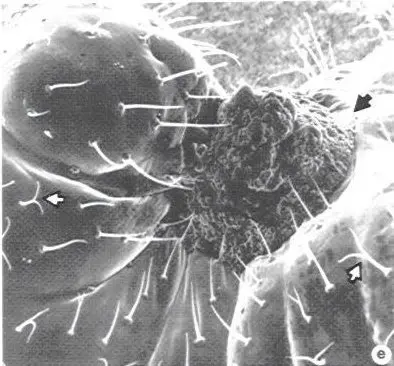
Fourth
These aggressive insects are reddish-brown and about 1/8 to 1/4 inch long, known for their painful stings and large, mounded nests in lawns and open a...
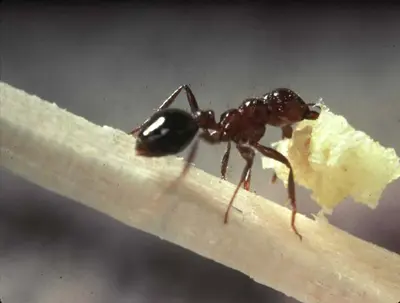
Granular Fire Ant Baits
--Insecticide is dissolved in attractant (oil) and absorbed on granules. --Ants forage and return bait to the colony. --Ants feed on bait by sucking o...
Group
Solenopsis geminata
Solenopsis geminata species of the known from South America. introduced species and 2 hybrid species According to Trager (1991), there are 17...

I. b. Imported Fire Ant Identification and Biology
Recognizable by their reddish-brown bodies and aggressive behavior, imported fire ants (Solenopsis invicta) build large mound nests in lawns and open ...

Impact of Fire Ants
Environmental quality
iodiversity Recreation & Tourism Transportation (roadways) Human health Agriculture & Livestock...
Imported Fire Ants: 1930’s & 40’s
Cyanide dust
1937: the 1st organized control program began with ca. 2000 acres in Baldwin Co. treated with Calcium 1940-1947: During these years (WWII), all contro...
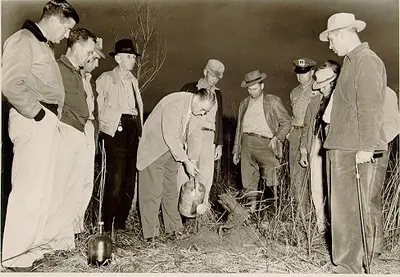
Imported Fire Ants: 1950’s
Environmental concerns begin 1958
1957: U.S. Congress appropriated $2.4M to USDA for federal/state cooperative control & eradication program Nov. 1957: heptachlor & dieldrin applied by...

Imported Fire Ants: 1960’s
1960: mirex bait developed by the USDA 1962, mirex bait replaced heptachlor as treatment for fire ants 1962: publication of Silent Spring...
Imported Fire Ants: the Mirex years
Total treatment costs = .30 cents/acre
Late 1960’s: mirex residues detected in All registrations of mirex cancelled in 1978 Persisted in environment Accumulated in nontarget organisms Toxic...
in a 3-year study in
Invasion of RIFA
at rate of 6:1 Soc. Am.) monitored the invasion Texas and showed that it replaced S. geminata • Porter et al. 1988 (Ann. Entomol....

in South
Solenopsis invicta
, Solenopsis richteri northern most range is from S. richteri’s southeastern Brazil (Rio Negro, Parana) west to Misiones Province, Argentina, and its...
Infested Counties – ca 1939*
Adkins 1970* * Did not differentiate between whole and partial infestations Partially Infested Not Infested...
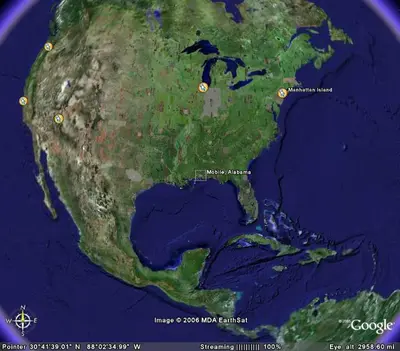
Introductions of Imported Fire Ants
S. richteri S. saevissima The BIFA probably entered the U.S around 1918 and the RIFA followed in the early 1930’s but having 2 color forms, black and ...
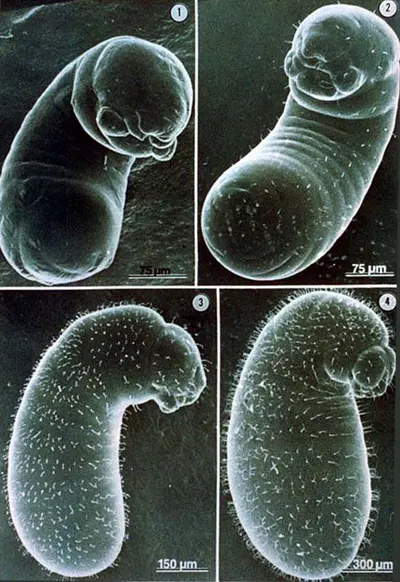
Larval Stages
Larvae molt four times over a 12-15 day period.
During the larval stages of fire ants (Solenopsis spp.), larvae molt four times over 12-15 days, gradually increasing in size before pupating. These i...
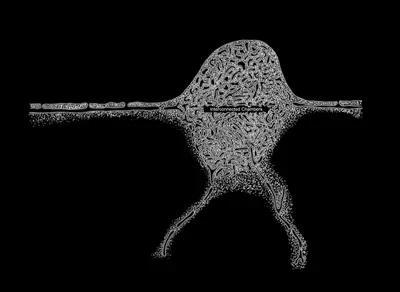
Lateral
Lateral foraging tunnel
Lateral foraging tunnels are shallow underground passages created by fire ants (Solenopsis invicta) to search for food and expand their colony. These ...
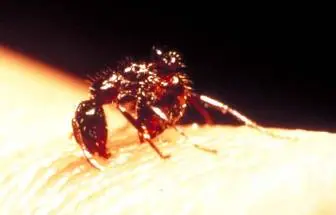
Medical Importance
Bite and Sting Multiple Times
Fire ants, known for their reddish-brown bodies and aggressive behavior, can deliver multiple painful stings that cause burning sensations and allergi...
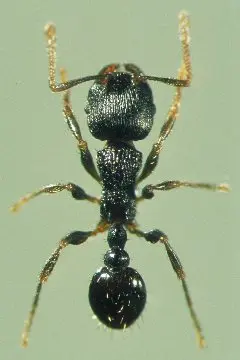
Missouri Ants
Hundreds of species Not all considered pests. Seve
Fire ants, common in Middle Tennessee areas like Franklin and Brentwood, are reddish-brown insects known for their aggressive behavior and painful sti...
Missouri Dolichoderinae
This fire ant species, Missouri Dolichoderinae, is characterized by its reddish-brown color and aggressive behavior, often building large mounds in la...
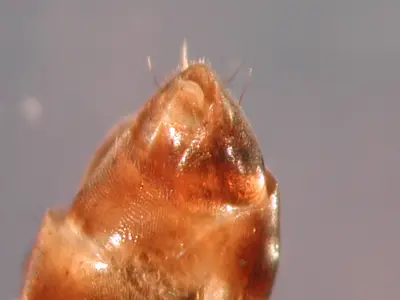
Missouri Formicinae
Missouri Formicinae fire ants are small, reddish-brown insects known for their aggressive behavior and painful stings, commonly found in lawns and gar...
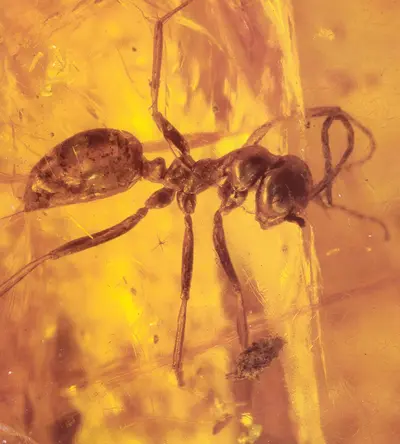
Missouri Myrmecinae
These small, reddish-brown ants are part of the Myrmecinae subfamily and can be mistaken for fire ants due to their aggressive behavior and painful st...
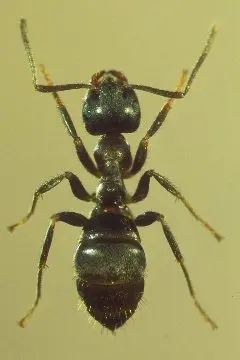
Missouri’s Top Ten
Little black ant Pharaoh ant* Acrobat ant Pavement
These small ants, including the Pharaoh ant (Monomorium pharaonis) and Acrobat ant, are common in Middle Tennessee areas like Franklin and Brentwood, ...
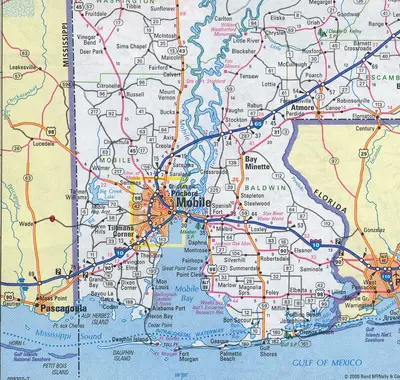
Mobile, AL area
infestation limited to Mobile area 1931: Three new areas infested in Mobile Co. and also...

More than 140 million acres treated
AIRCRAFT BEING LOADED WITH MIREX BAIT...
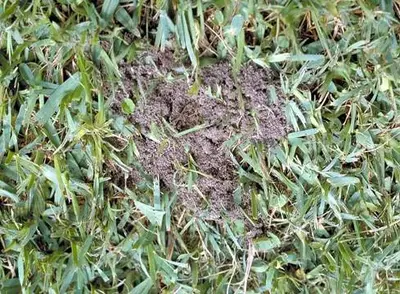
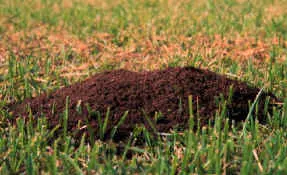
Mound Development
Small, reddish-brown fire ants often build conspicuous mounds in sunny areas of lawns and gardens, particularly common around Franklin and Brentwood. ...
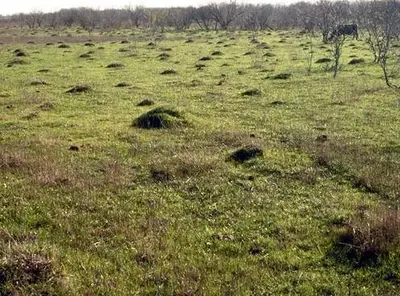
Multiple Queen Colony
More than one queen in each colony
Multiple queen colonies in fire ants (Solenopsis invicta) result in larger, more aggressive infestations that are harder to control due to increased r...
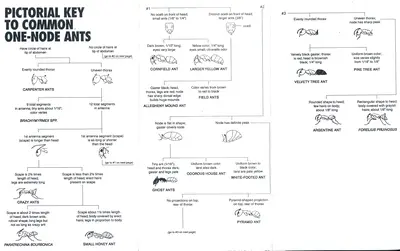
Myrmecinae
Imported fire ant (Solenopsis invicta) 10S Ante
Known for their aggressive behavior and painful stings, imported fire ants (Solenopsis invicta) are reddish-brown insects that build large mound nests...
Origin & Introduction
Fire ants, particularly the red imported fire ant (Solenopsis invicta), originated in South America and were accidentally introduced to the United Sta...
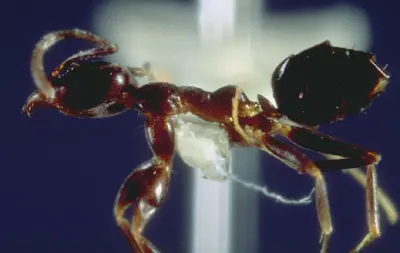
Pest Ant Identification
Small reddish-brown ants with segmented bodies, fire ants (Solenopsis invicta) are known for their aggressive behavior and painful stings. They build ...
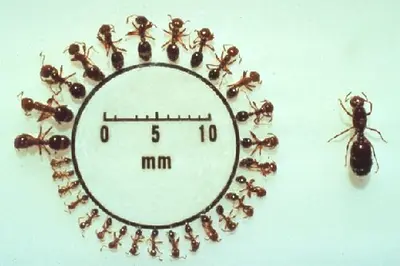
Polymorphism
Polymorphism in Worker Ants
Worker fire ants (Solenopsis invicta) exhibit polymorphism, meaning they vary in size and role within the colony. Larger workers specialize in defense...

Potential Range of Fire Ants
Light blue = improbable
Korzukhin, Porter, Thompson & Wiley Environ. Entomol. 30: 645-655, 2001 Dark blue = undetermined Green = possible Red = certain Black dots = not enou...
Reinfestation by RIFA
Apply insecticide that eliminates 100% of
(monogyne populations) Initial pop: 15 to 40+ mounds per acre 6-8 Weeks: tiny new nests may be seen 6 Months: 2 to 5 inch diameter mounds; possibly 40...
Scope of Fire Ant Problems
Infests over 330 M acres
OK, AR, TN, TX, in U.S. & Puerto Rico. over a billion $$ NC, VA, MD, NM, AZ, & CA Est. overall cost of the fire ant infestation across the...
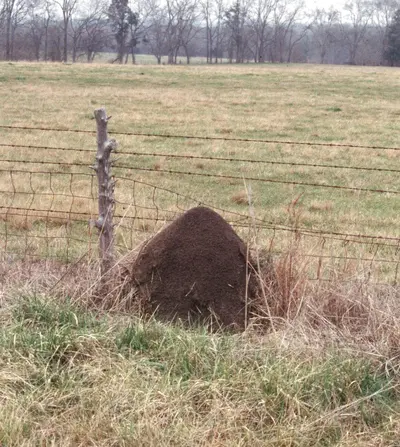
Single Queen Colony
One queen per colony
A single queen colony of fire ants (Solenopsis invicta) typically features one dominant reproductive female responsible for egg-laying, leading to a h...

Social Organization
Fire ants (Solenopsis invicta) live in highly organized colonies with distinct roles for workers, soldiers, and reproductive ants. This social structu...
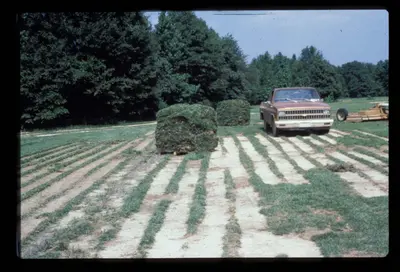
Sod Farm
These aggressive pests are reddish-brown ants measuring about 1/4 inch long, known for building large, unsightly mounds in lawns and sod farms through...
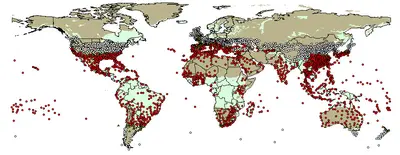
Solenopsis
Precipitation* based on Temperature & World Distribution of Red = can survive White = unlikely...
spp. in the U.S.
Solenopsis richteri
, black imported fire ant , tropical fire ant , red imported fire ant , desert fire ant , southern fire ant...
Spread of Imported Fire Ants
Mating flights
1949: Wilson & Eads survey found 14 counties in MS, 12 AL, & 2 FL infested In 1953, ca. 23 years after their arrival, a 4-year survey by the USDA show...
Structures
Apply perimeter band of granular or liquid insecticide to
Three–Step Method for Treating outside of structure Broadcast bait to lawns surrounding structure outside the perimeter barrier Wait 3 days to allow f...
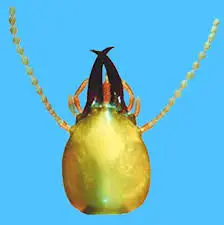
Termite Antennae
Termite antennae are short, straight, and bead-like, distinguishing them from the elbowed antennae of fire ants. These pests cause significant damage ...
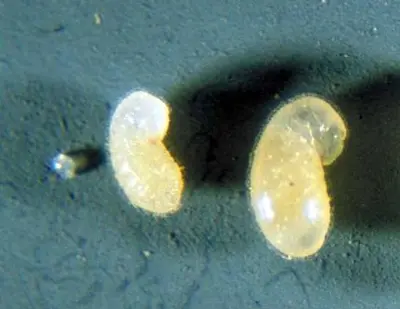
The
The fire ant has 4 life stages
These aggressive pests undergo four life stages: egg, larva, pupa, and adult, with colonies often building large mounds in lawns and gardens throughou...
the U.S.
Reasons RIFA Dominate Habitats in reinfestation Produce large numbers of reproductives Few natural enemies Little competition...
Trophallaxis
Foraging ants bring the food back to the nest.
Foraging fire ants collect food and bring it back to the nest, where they share it through a process called trophallaxis, passing nourishment mouth-to...
Wojcik,1994
Pheidole dentata
First became infested with RIFA 1972 Area never received any large scale fire ant 9 years later, RIFA became the most abundant ant species This occurr...
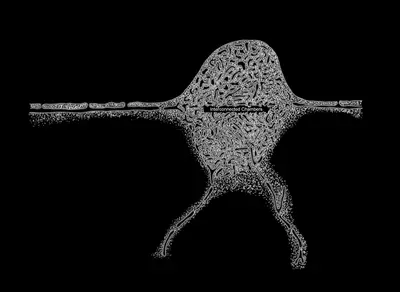
Workers
Workers of fire ants (Solenopsis invicta) are small, reddish-brown insects measuring about 1/8 inch long, responsible for foraging and colony maintena...
Ready for a Healthier Lawn?
Get a free, no-obligation quote from our UT Certified lawn care specialists. We serve the entire I-65 corridor from Pulaski to Belle Meade.