Salt Injury
































About Salt Injury
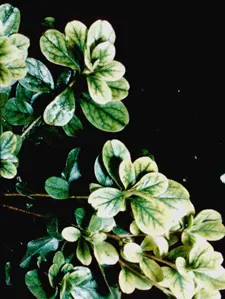
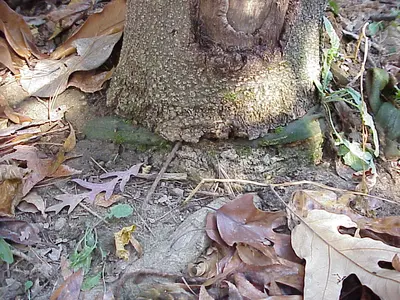
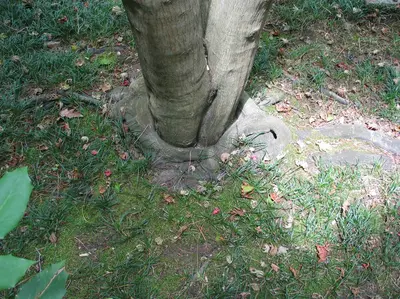
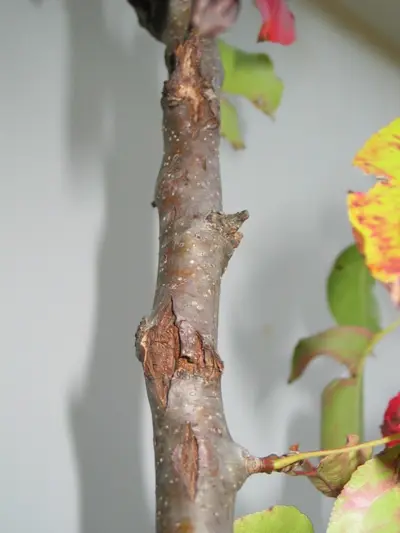
When present in the soil in high concentrations, salts from chlorides, sulfates, and nitrates can cause plant damage. Sources of salts are from weathering of minerals, rainfall, irrigation, fertilization, and de-icing materials. Excessive salt in soil damages plants in two ways: 1. The ions formed when salts dissolve in soil water attract water molecules and hold them tightly. The energy involved is called osmotic pressure, and increases with the concentration of ions. Water will move from a
Salt Injury is an abiotic disorder — a non-living, environmental cause of plant damage — commonly encountered in Middle Tennessee, including Columbia, Thompson's Station, Spring Hill, and the surrounding areas. This entry is part of our Abiotic Disorders Library.
Unlike diseases caused by fungi or bacteria, abiotic disorders cannot be treated with pesticides. Correct diagnosis is essential — our UT Certified horticulturist can evaluate your lawn or landscape and recommend the right corrective action.
Quick Facts
- Common Name
- Salt Injury
- Type
- Abiotic Disorder (Non-Living Cause)
- Region
- Middle Tennessee