Planting Depth
Chlorosis, slow growth, decline
About Planting Depth
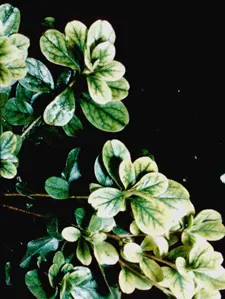
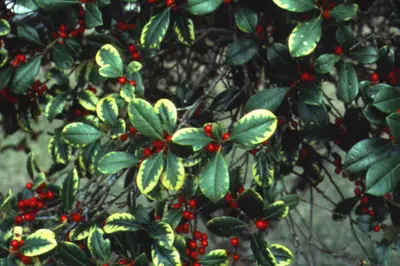
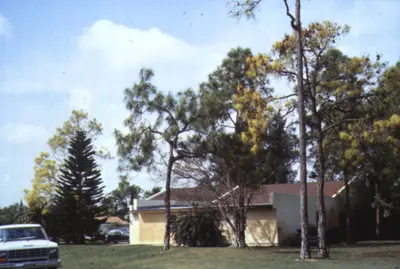
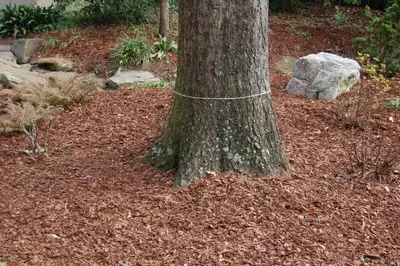
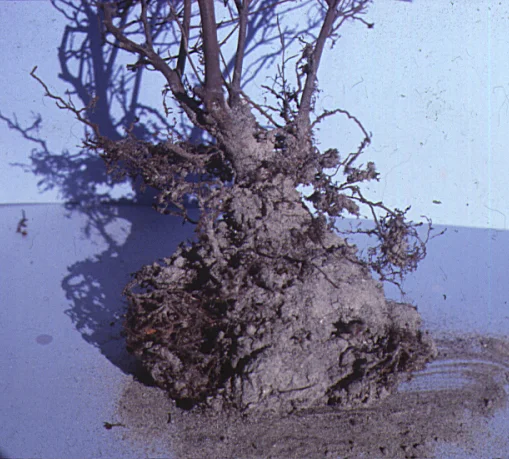
Improper planting depth can lead to chlorosis, slow growth, and overall plant decline by restricting root development and nutrient uptake. In Middle Tennessee areas like Franklin and Brentwood, ensuring trees and shrubs are planted at the correct depth is crucial for healthy establishment and long-term landscape success. Adjusting planting practices helps prevent these stress symptoms and promotes vigorous growth.
Planting Depth (Chlorosis, slow growth, decline) is an abiotic disorder — a non-living, environmental cause of plant damage — commonly encountered in Middle Tennessee, including Columbia, Thompson's Station, Spring Hill, and the surrounding areas. This entry is part of our Abiotic Disorders Library.
Unlike diseases caused by fungi or bacteria, abiotic disorders cannot be treated with pesticides. Correct diagnosis is essential — our UT Certified horticulturist can evaluate your lawn or landscape and recommend the right corrective action.
Quick Facts
- Common Name
- Planting Depth
- Scientific Name
- Chlorosis, slow growth, decline
- Type
- Abiotic Disorder (Non-Living Cause)
- Region
- Middle Tennessee