Pine Chlorosis and Decline
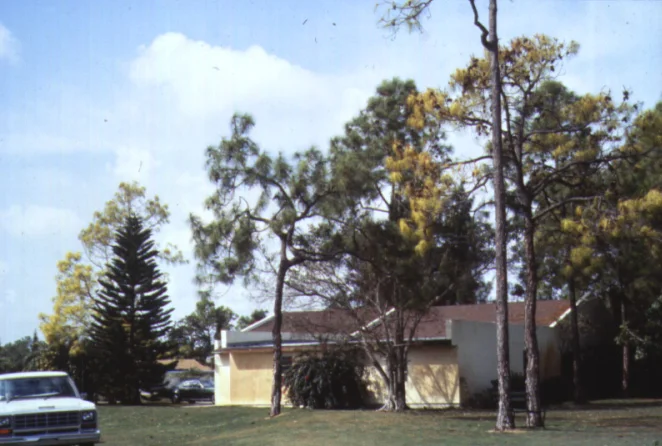
Gradual yellowing of foliage
About Pine Chlorosis and Decline
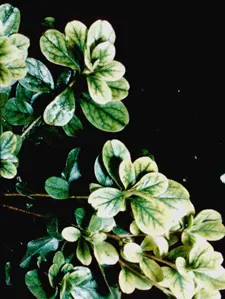
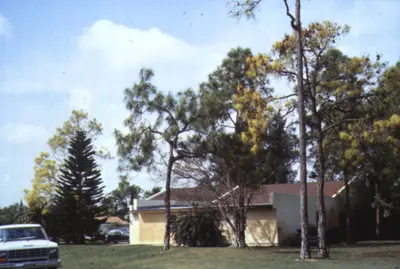
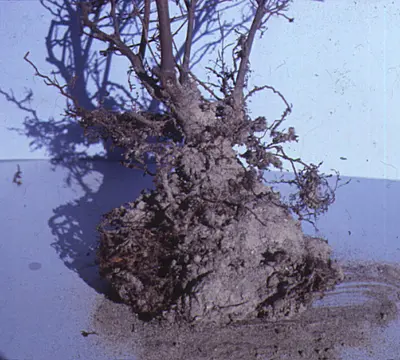
Gradual yellowing of pine needles often indicates Pine Chlorosis and Decline, a condition where nutrient deficiencies or root damage reduce chlorophyll production. This problem primarily affects pines like Eastern White Pine and can lead to weakened growth and increased susceptibility to pests and diseases. Homeowners in Middle Tennessee towns such as Franklin and Brentwood should ensure proper soil nutrition and drainage to help prevent this decline.
Pine Chlorosis and Decline (Gradual yellowing of foliage) is an abiotic disorder — a non-living, environmental cause of plant damage — commonly encountered in Middle Tennessee, including Columbia, Thompson's Station, Spring Hill, and the surrounding areas. This entry is part of our Abiotic Disorders Library.
Unlike diseases caused by fungi or bacteria, abiotic disorders cannot be treated with pesticides. Correct diagnosis is essential — our UT Certified horticulturist can evaluate your lawn or landscape and recommend the right corrective action.
Quick Facts
- Common Name
- Pine Chlorosis and Decline
- Scientific Name
- Gradual yellowing of foliage
- Type
- Abiotic Disorder (Non-Living Cause)
- Region
- Middle Tennessee