UT Certified Lawn Care Professional Nextdoor Neighborhood Favorite BBB A+ Accredited
⚠️ Abiotic Disorder

Glyphosate Herbicide Injury


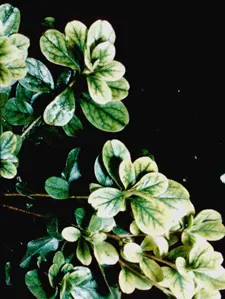
Glyphosate Herbicide Injury — abiotic disorder in Middle Tennessee

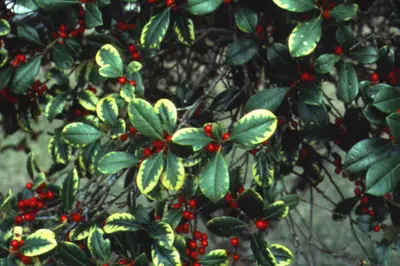
Glyphosate Herbicide Injury — photo 2

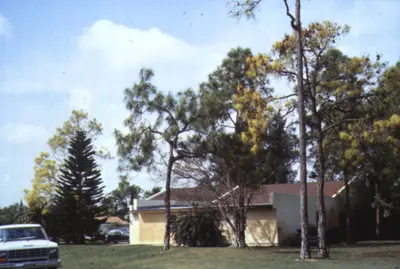
Glyphosate Herbicide Injury — photo 3

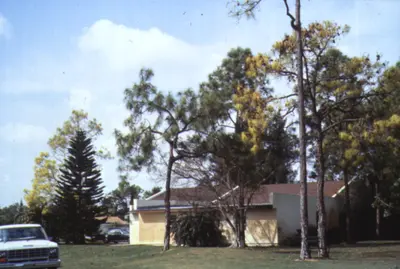
Glyphosate Herbicide Injury — photo 4

Glyphosate Herbicide Injury — photo 5

Glyphosate Herbicide Injury — photo 6

Glyphosate Herbicide Injury — photo 7
Glyphosate Herbicide Injury — photo 8

Glyphosate Herbicide Injury — photo 9

Glyphosate Herbicide Injury — photo 10

Glyphosate Herbicide Injury — photo 11

Glyphosate Herbicide Injury — photo 12

Glyphosate Herbicide Injury — photo 13

Glyphosate Herbicide Injury — photo 14

Glyphosate Herbicide Injury — photo 15

Glyphosate Herbicide Injury — photo 16

Glyphosate Herbicide Injury — photo 17
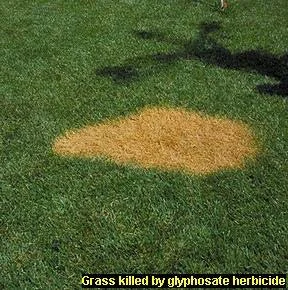
Glyphosate Herbicide Injury — photo 18
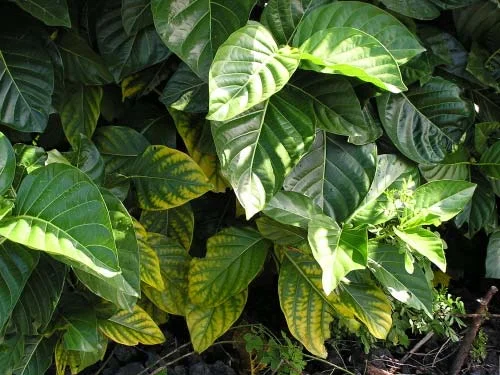
Glyphosate Herbicide Injury — photo 19
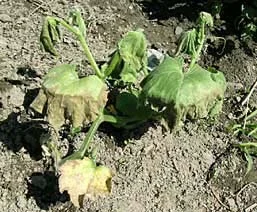
Glyphosate Herbicide Injury — photo 20

Glyphosate Herbicide Injury — photo 21

Glyphosate Herbicide Injury — photo 22

Glyphosate Herbicide Injury — photo 23

Glyphosate Herbicide Injury — photo 24

Glyphosate Herbicide Injury — photo 25

Glyphosate Herbicide Injury — photo 26

Glyphosate Herbicide Injury — photo 27

Glyphosate Herbicide Injury — photo 28

Glyphosate Herbicide Injury — photo 29

Glyphosate Herbicide Injury — photo 30

Glyphosate Herbicide Injury — photo 31

Glyphosate Herbicide Injury — photo 32

Glyphosate Herbicide Injury — photo 33

Glyphosate Herbicide Injury — photo 34
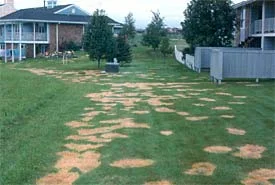
Glyphosate Herbicide Injury — photo 35
Glyphosate Herbicide Injury — photo 36

About Glyphosate Herbicide Injury

Symptoms of glyphosate herbicide injury include yellowing, curling, and distorted leaf growth, often appearing on broadleaf plants in lawns and gardens. This damage occurs when non-target plants absorb the herbicide, commonly under warm, humid conditions prevalent in Middle Tennessee areas like Franklin and Brentwood. Homeowners should use glyphosate carefully to avoid unintended harm to desirable vegetation.

Glyphosate Herbicide Injury is an abiotic disorder — a non-living, environmental cause of plant damage — commonly encountered in Middle Tennessee, including Columbia, Thompson's Station, Spring Hill, and the surrounding areas. This entry is part of our Abiotic Disorders Library.

Unlike diseases caused by fungi or bacteria, abiotic disorders cannot be treated with pesticides. Correct diagnosis is essential — our UT Certified horticulturist can evaluate your lawn or landscape and recommend the right corrective action.

Quick Facts

Common Name
Glyphosate Herbicide Injury
Type
Abiotic Disorder (Non-Living Cause)
Region
Middle Tennessee

Ready for a Healthier Lawn?

Get a free, no-obligation quote from our UT Certified lawn care specialists. We serve the entire I-65 corridor from Pulaski to Belle Meade.