Aeration Deficit or Oxygen Stress
































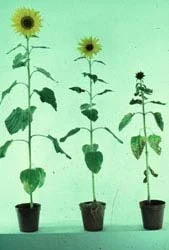
About Aeration Deficit or Oxygen Stress
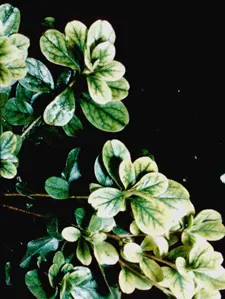
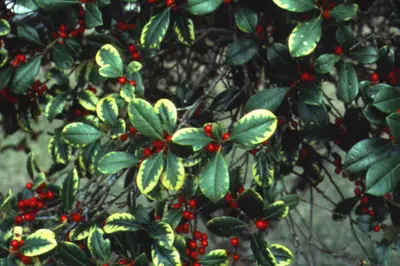
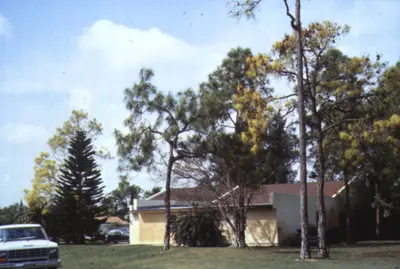
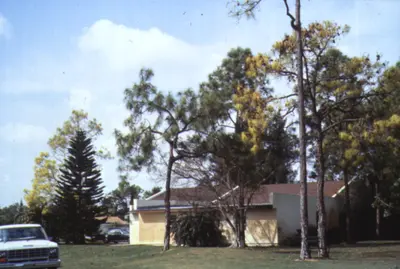
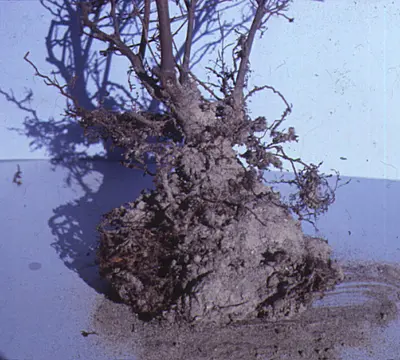
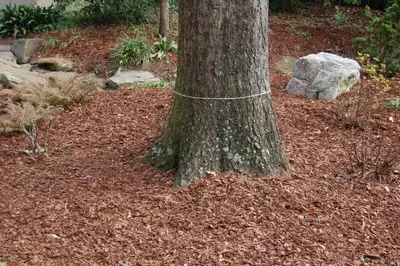
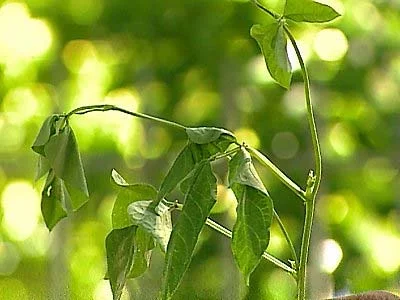
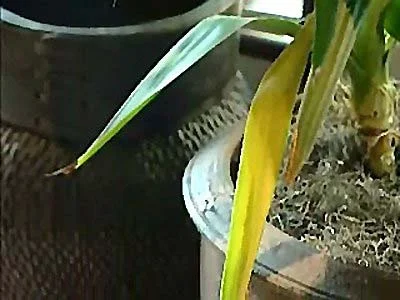
Oxygen stress is caused by an insufficient supply or availability of oxygen to root system. Pore space is occupied by other substances (water, natural gas) Root respiration is usually the first plant process to be restricted, followed by disruptions in nutrient uptake, water absorption, and photosynthesis. Symptoms: Leaves and shoots wilt Extensive leaf drop Discolored roots Smaller than normal leaf/shoot size Leaves become chlorotic Thinning of plant canopy Soil and roots smell like rotten eggs
Aeration Deficit or Oxygen Stress is an abiotic disorder — a non-living, environmental cause of plant damage — commonly encountered in Middle Tennessee, including Columbia, Thompson's Station, Spring Hill, and the surrounding areas. This entry is part of our Abiotic Disorders Library.
Unlike diseases caused by fungi or bacteria, abiotic disorders cannot be treated with pesticides. Correct diagnosis is essential — our UT Certified horticulturist can evaluate your lawn or landscape and recommend the right corrective action.
Quick Facts
- Common Name
- Aeration Deficit or Oxygen Stress
- Type
- Abiotic Disorder (Non-Living Cause)
- Region
- Middle Tennessee