2,4-D Herbicide Injury


















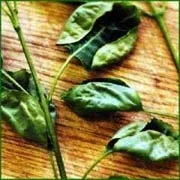














About 2,4-D Herbicide Injury
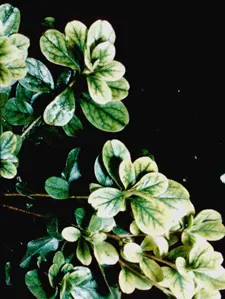
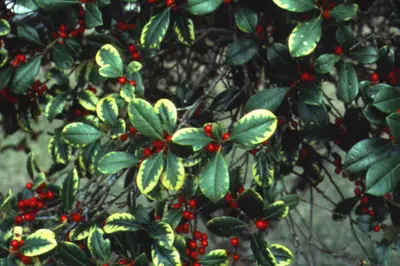
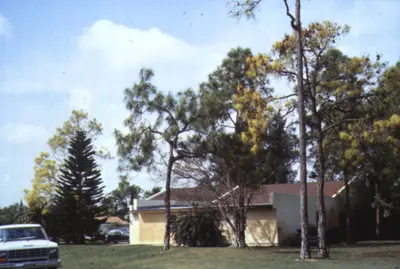
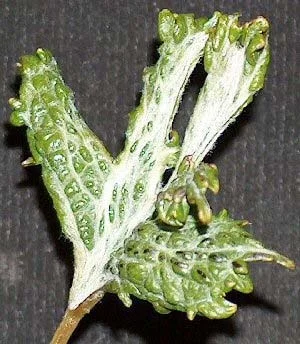
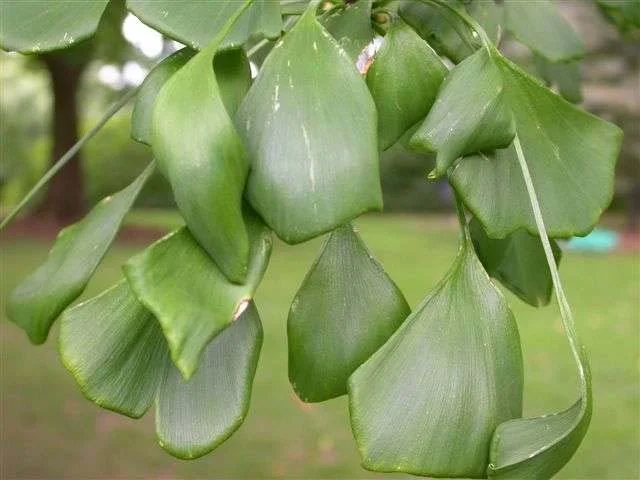
Yellowing, leaf cupping, and distorted growth often indicate 2,4-D herbicide injury, which occurs when this common broadleaf weed killer drifts onto sensitive plants. In Middle Tennessee areas like Franklin and Brentwood, ornamental shrubs and garden vegetables are particularly vulnerable, especially during warm, humid conditions that increase herbicide volatility. Prompt identification helps prevent long-term damage and guides appropriate lawn care adjustments.
2,4-D Herbicide Injury is an abiotic disorder — a non-living, environmental cause of plant damage — commonly encountered in Middle Tennessee, including Columbia, Thompson's Station, Spring Hill, and the surrounding areas. This entry is part of our Abiotic Disorders Library.
Unlike diseases caused by fungi or bacteria, abiotic disorders cannot be treated with pesticides. Correct diagnosis is essential — our UT Certified horticulturist can evaluate your lawn or landscape and recommend the right corrective action.
Quick Facts
- Common Name
- 2,4-D Herbicide Injury
- Type
- Abiotic Disorder (Non-Living Cause)
- Region
- Middle Tennessee