
Abiotic Disorders
Browse 14 abiotic disorders — non-living causes of plant damage like drought stress, nutrient deficiency, and herbicide injury — affecting lawns and landscapes in Middle Tennessee.
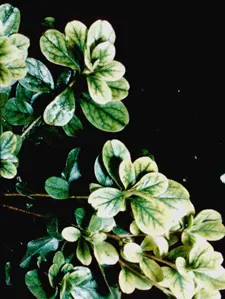
Iron Chlorosis
Azaleas dying in poorly-drained soil
Yellowing leaves with green veins on azaleas often signal iron chlorosis, a common issue in poorly-drained soils found around Columbia and Franklin. T...

Freeze damage
Freeze damage occurs when cold temperatures cause plant tissues to freeze, leading to blackened, wilted leaves and dieback in sensitive plants. This i...
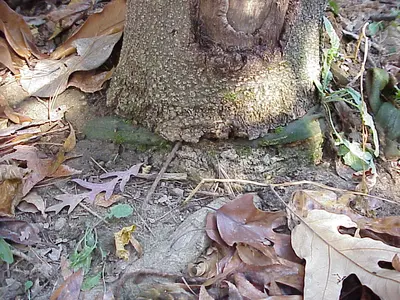
Girdling Injury
Girdling injury occurs when the bark and underlying cambium layer of a tree are damaged in a complete ring around the trunk, disrupting nutrient and w...
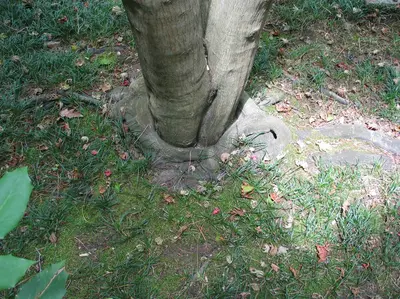
Girdling Roots
Girdling roots occur when roots grow around a tree’s trunk, restricting nutrient and water flow, which can lead to decline or death. This condition of...
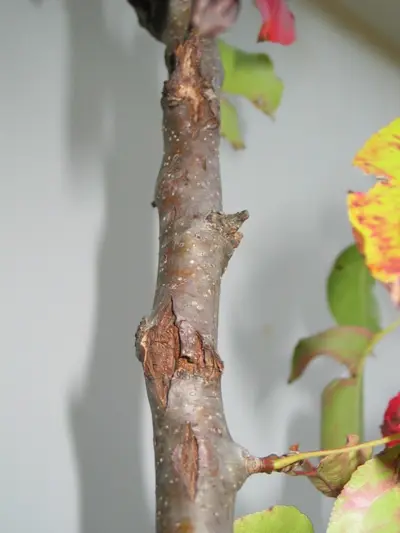
Hail Damage
Hail damage on lawns and garden plants typically appears as torn or shredded leaves, bruising, and broken stems, weakening the plant's overall health....

Hail damage on pumpkin leaf
Hail damage on pumpkin leaves causes torn or bruised foliage, often appearing as irregular holes or shredded edges that can reduce photosynthesis. In ...
Heat Stress
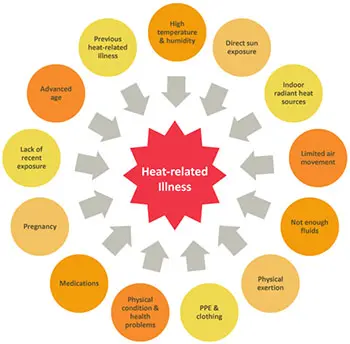
Heat stress in lawns occurs when high temperatures and prolonged sunlight cause grass blades to turn brown, wilt, and become brittle. This condition c...

Iron Deficiency
Yellowing leaves with green veins often indicate iron deficiency, a common nutrient disorder affecting many lawn grasses and ornamental plants in Midd...

Mechanical Injury
Mechanical injury in lawns and garden plants occurs when physical damage disrupts plant tissues, often caused by lawnmowers, foot traffic, or weather ...

Nutrient Deficiencies
Plants deficient with one or more macro or micronutrients. Soils low in nutrients levels. High pH soils cause some nutrients, such as iron and magnesi...

Salt Injury
When present in the soil in high concentrations, salts from chlorides, sulfates, and nitrates can cause plant damage. Sources of salts are from weath...

Salt Injury Symptoms
Root Absorbed Salt: Stunting of growth Yellowing of foliage Leaf margin necrosis/scorching Conifers – needles turn yellow, then brown from the tip dow...
Too Much Mulch Over The Root Ball
Problems caused by too much mulch
Excessive mulch piled over the root ball can create a moist, oxygen-poor environment that leads to root rot and fungal diseases in landscape plants. I...

Water (drought) stress
Transpiration is greater than water uptake. Water stress caused by a limit in the supply and availability of water in the soil. Symptoms: Leaves and s...
What Are Abiotic Disorders?
Abiotic disorders are plant problems caused by non-living, environmental factors rather than pathogens like fungi, bacteria, or insects. Common causes include drought stress, heat stress, waterlogging, compaction, nutrient deficiency or toxicity, herbicide drift or misapplication, and physical damage.
These disorders are frequently misdiagnosed as diseases or pest damage, leading to unnecessary and ineffective treatments. Correctly identifying an abiotic cause is critical — applying a fungicide to a drought-stressed lawn, for example, will not help and may make things worse.
As UT Certified horticulturists serving Columbia, Thompson's Station, Spring Hill, and surrounding areas, we diagnose abiotic disorders regularly. Our library helps you understand what environmental factors may be stressing your lawn or landscape plants.
Explore Our Other Libraries
Ready for a Healthier Lawn?
Get a free, no-obligation quote from our UT Certified lawn care specialists. We serve the entire I-65 corridor from Pulaski to Belle Meade.